


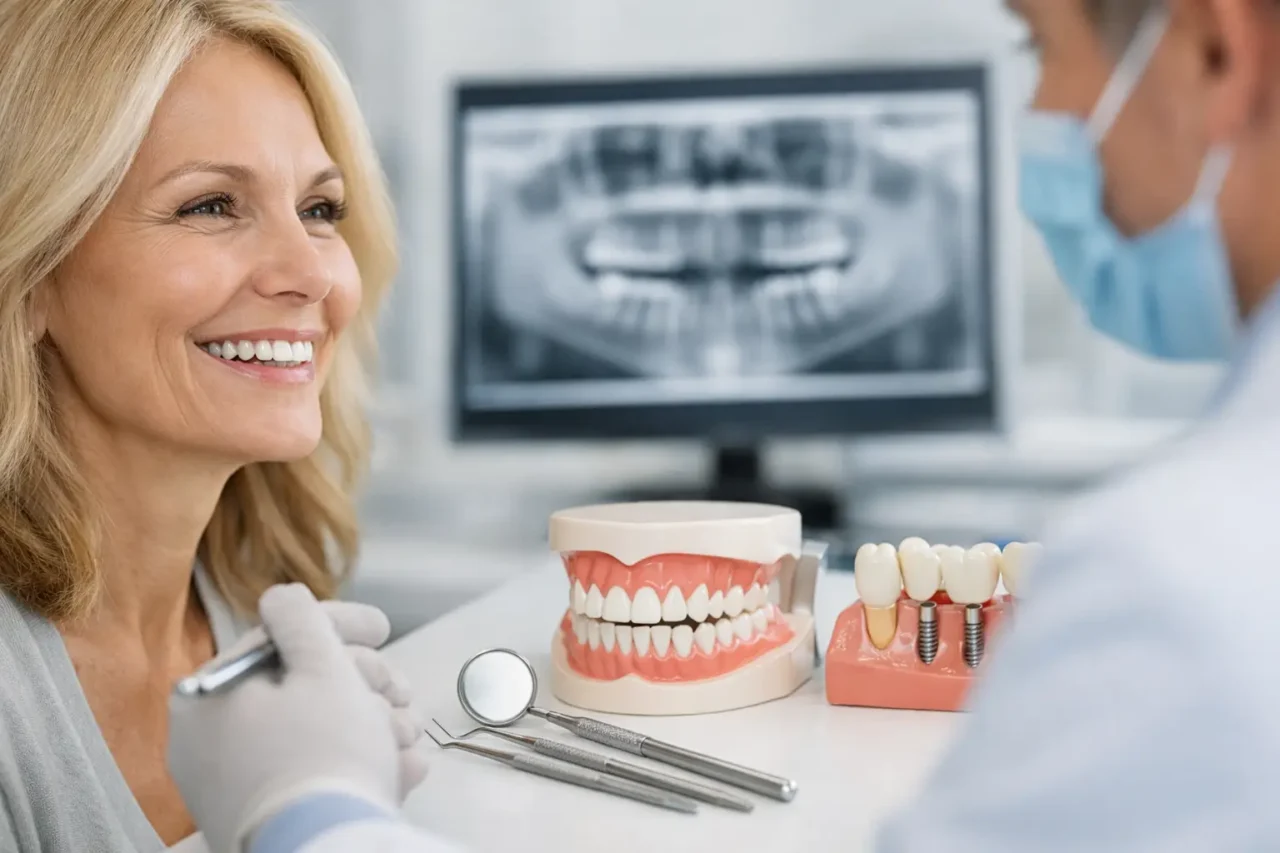
A full mouth reconstruction is not a single procedure or a one-size-fits-all smile makeover. It is a carefully sequenced treatment plan for people whose teeth, gums, bite, or missing teeth need comprehensive attention. This full mouth reconstruction guide explains what the process can involve, how to evaluate your options, and what international patients should plan for before traveling for care.
For many patients, the decision begins with a practical problem: painful teeth, worn-down enamel, failing crowns, loose dentures, difficulty chewing, or a smile they no longer feel comfortable showing. The goal is not simply to make teeth look better. It is to restore comfort, function, stability, and a natural-looking appearance that feels like you.
What Full Mouth Reconstruction Can Treat
Full mouth reconstruction combines restorative, cosmetic, periodontal, and implant dentistry as needed. Your treatment may address every tooth, or it may focus on the areas that are most compromised while preserving healthy natural teeth whenever possible.
Common reasons patients consider this level of care include advanced tooth wear from grinding, extensive decay, old dental work that is breaking down, multiple missing teeth, gum disease, bite problems, or damage from injury. Some patients have lived with temporary fixes for years and reach a point where addressing the entire mouth is more predictable than repairing one tooth at a time.
The right plan depends on your oral health, bone support, bite, smile goals, medical history, and timeline. A person with healthy gums and a few missing teeth may need a very different approach from someone with widespread infection, significant bone loss, and severely worn teeth.
Full Mouth Reconstruction Guide: The Planning Stage
A successful result begins with diagnosis, not with choosing veneers, crowns, or implants from a menu. Your dentist should first understand how your teeth function together and identify concerns that may not be visible in a casual smile photo.
During a comprehensive evaluation, the clinical team may review X-rays or 3D imaging, photos, gum health, existing restorations, jaw function, tooth wear, and the way your upper and lower teeth meet. This information helps determine whether the foundation is stable enough for cosmetic work or whether gum treatment, extractions, bone grafting, or temporary restorations should come first.
For international patients, the planning process can begin remotely. Clear photos, recent X-rays when available, and a detailed description of your concerns allow the clinic to provide an initial direction and estimate. An online consultation is useful for setting expectations, but an in-person examination is still essential before finalizing treatment.
A thoughtful plan should answer practical questions early: Which teeth can be saved? Which teeth should be replaced? Will your bite need adjustment? What work can be completed during one visit, and what requires healing time? Transparent answers help you compare treatment proposals on quality and long-term value, not price alone.
Procedures That May Be Part of Your Treatment
Your reconstruction may use one procedure or a combination of treatments. The priority is to choose materials and techniques that support your health, bite, and aesthetic goals.
- Dental implants can replace missing tooth roots and support individual crowns, bridges, or full-arch prosthetics.
- Crowns restore teeth that are weakened, fractured, heavily filled, or worn beyond what a filling can reliably repair.
- Bridges replace one or more missing teeth when an implant is not the best option or when adjacent teeth also need crowns.
- Porcelain veneers can improve the visible front teeth when the underlying tooth structure and bite are appropriate for cosmetic treatment.
- Gum treatment may be necessary to control inflammation, improve tissue health, or create a balanced gumline around restorations.
- Removable or fixed prosthetics can restore multiple missing teeth, depending on bone availability, lifestyle, budget, and maintenance preferences.
There are real trade-offs. Implants can offer excellent stability, but they require adequate bone and healing time. Crowns can preserve and reinforce damaged teeth, but they require preparation of the tooth. Veneers can create a dramatic cosmetic improvement, but they are not a substitute for treating decay, gum disease, or an unstable bite.
The best plan is often phased. Immediate needs such as infection, pain, or failing teeth are handled first. Long-term restorations are then designed after the mouth is healthy and stable.
How Long Does Full Mouth Reconstruction Take?
The timeline varies considerably. Some patients can complete a major portion of their treatment in one extended visit, especially when the work involves crowns, veneers, whitening, or certain prosthetic cases. Other plans require two or more trips because implants, bone grafts, extractions, and gum healing need time before final teeth can be placed.
For example, implant treatment commonly follows a staged schedule. After an implant is placed, the bone needs time to integrate with it before the final crown or bridge is delivered. In select cases, a temporary tooth may be placed sooner, but that does not mean the final restoration is ready immediately.
Avoid clinics that promise an identical timeline to every patient. Efficient care matters, particularly when you are traveling, but biology still sets the pace. A clear treatment calendar should explain what happens on each visit, when temporary restorations are used, and when follow-up is recommended.
Planning Your Dental Trip to Cartagena
Traveling for comprehensive dentistry can make high-quality treatment more accessible, but it requires coordination. Choose a clinic that is comfortable working with international patients and can explain the process clearly in English before you book your flight.
Plan to arrive with enough time for an initial examination, diagnostic records, treatment appointments, and any adjustments that may be needed before you leave. Do not schedule your return flight immediately after a major procedure. You may need time to rest, manage mild swelling, and allow the team to check your comfort and bite.
Bring a list of medications, relevant medical conditions, allergy information, and copies of prior dental records if you have them. If you grind your teeth, have a history of jaw pain, take blood thinners, or have conditions that affect healing, mention this during your consultation. These details can influence the safest treatment sequence.
Cartagena offers an appealing setting for dental travelers, but your treatment should remain the priority. Build in quiet recovery time rather than planning a packed itinerary around surgery or lengthy appointments. A well-organized dental holiday should feel supported, not rushed.
Questions to Ask Before You Commit
A reconstruction is a meaningful investment in your health and confidence. Ask who will perform each part of the treatment, what materials will be used, and how the plan protects your bite and gum health. Request a written outline of the proposed procedures, expected timeline, temporary restorations, and follow-up needs.
It is also wise to ask what happens if the dentist finds additional concerns during the in-person exam. A responsible clinic will explain that preliminary quotes may change when new diagnostic information becomes available, and it will discuss alternatives before proceeding.
Look for communication that feels direct and personal. You should understand why each procedure is being recommended, what result is realistic for your case, and how to care for your new restorations after you return home.
Recovery and Long-Term Care
Recovery depends on the procedures performed. After implants, extractions, or gum surgery, you may experience temporary tenderness, swelling, and dietary restrictions. After crowns or veneers, it can take a short period to adapt to the feel of your new bite. Follow your dentist’s instructions closely and contact the clinic promptly if anything feels unusual.
Long-term success requires maintenance. Brush and floss consistently, attend regular cleanings, wear a night guard if recommended, and avoid using your teeth to open packages or bite hard objects. Even the most beautiful porcelain and implant restorations need professional monitoring over time.
At Smile Makeover Cartagena, comprehensive care is planned around your health, comfort, and desired result, with clear English communication from the first consultation through follow-up. The most reassuring next step is simple: get a personalized evaluation, ask candid questions, and choose a treatment plan that gives your smile the time and attention it deserves.
