


Losing a back tooth changes more than your smile. If you are asking, can implants replace molars, the real concern is usually everyday function – chewing comfortably, protecting nearby teeth, and avoiding bigger problems later.
Molars do the heavy work. They absorb the strongest bite forces, help you chew efficiently, and keep your bite balanced from side to side. When one is missing, many patients start compensating without realizing it. They chew on the other side, avoid certain foods, or place extra pressure on neighboring teeth. Over time, that can lead to uneven wear, shifting, and strain on the jaw.
Can implants replace molars in most cases?
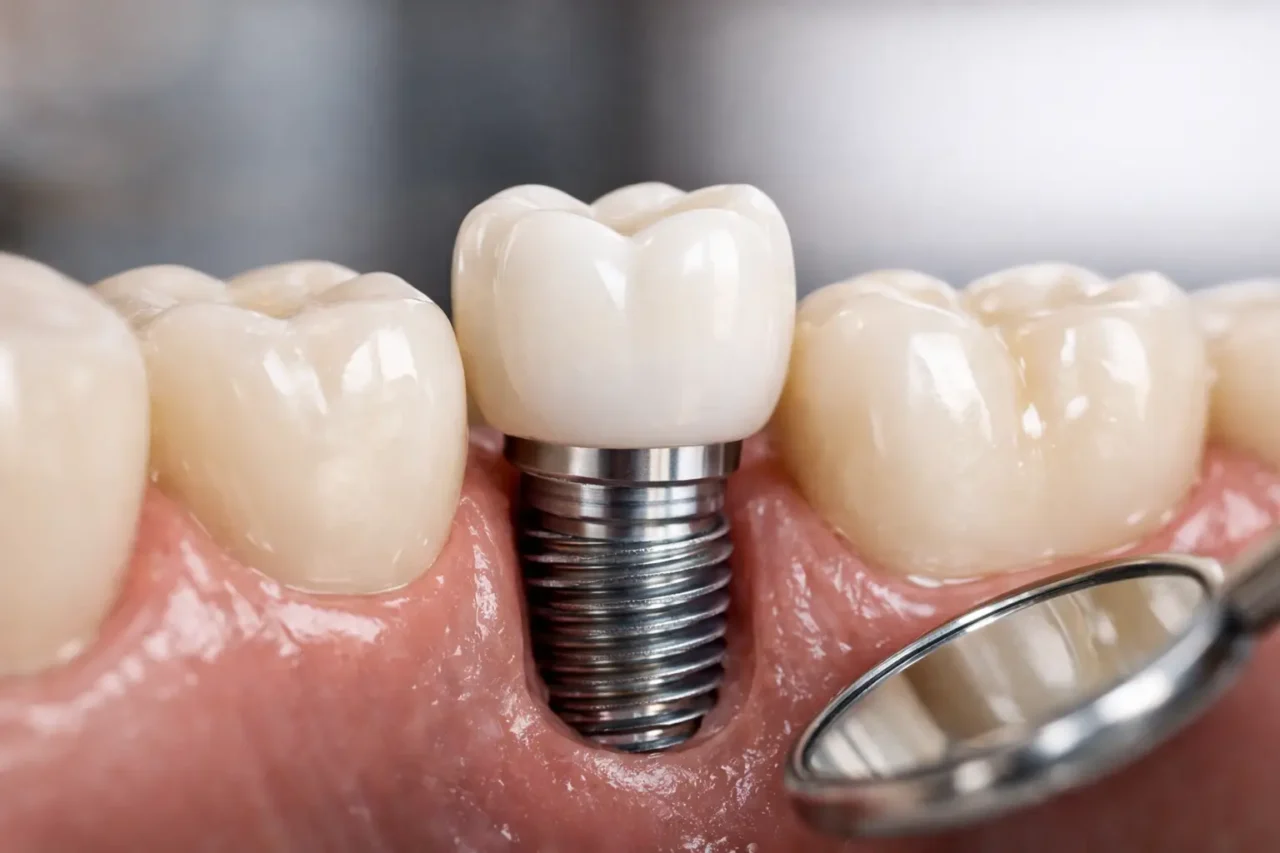
Yes, dental implants can replace molars in many cases, and they are often one of the best long-term options. A molar implant is designed to act like an artificial tooth root placed in the jawbone, topped with a custom crown that looks and functions like a natural tooth.
For a single missing molar, one implant and one crown is a common solution. If more than one molar is missing, the treatment plan depends on spacing, bone support, bite force, and overall oral health. In some cases, two implants may support multiple replacement teeth. In others, each missing molar may need its own implant for the best stability.
The reason implants work so well in the back of the mouth is simple. They support the restoration independently, without relying on adjacent teeth the way a traditional bridge does. That helps preserve healthy tooth structure while restoring strength where you need it most.
Why molar replacement matters more than many patients expect
Some people think a missing molar is less urgent because it is not visible when they smile. Functionally, though, molars matter a great deal.
When a molar is missing, the teeth next to the gap may begin to tilt. The opposing tooth can also start to over-erupt because it no longer has contact to bite against. Bone loss in the area may gradually occur as well, since the jawbone no longer receives stimulation from a tooth root.
This is one of the strongest arguments for implant treatment. Because the implant is placed in the bone, it helps maintain that area of the jaw in a way removable options cannot. That matters not just for chewing, but for long-term oral stability.
What makes a molar implant successful?
A successful molar implant starts with planning. Back teeth handle more force than front teeth, so the implant position, diameter, crown shape, and bite design all need to be carefully managed.
Bone volume is a major factor. Some patients have enough natural bone for immediate implant placement after extraction, while others need healing time or a bone graft first. Upper molars can be more complex because they often sit close to the sinus area. Lower molars may present a different anatomical challenge depending on nerve position and bone width.
Bite habits matter too. If you clench or grind your teeth, the implant can still be a strong option, but the case needs extra attention. That may mean adjusting the crown design, using a night guard, or selecting implant components that better distribute pressure.
General health also plays a role. Smoking, uncontrolled diabetes, active gum disease, and poor oral hygiene can all reduce implant success rates. None of these automatically disqualify you, but they do need to be discussed honestly during the consultation.
When implants may not be the first option
Although implants are excellent for replacing molars, they are not always the immediate answer. Sometimes the timing is wrong, the bone is too limited without grafting, or a patient wants a faster or lower-cost alternative.
A traditional bridge may still be considered if the teeth next to the missing molar already need crowns. A removable partial denture can replace missing back teeth too, though it usually does not feel as stable or natural as an implant. For some patients, especially those replacing multiple teeth, the best plan is phased treatment rather than doing everything at once.
This is where a personalized evaluation matters. The right solution is not just about what is technically possible. It is about what fits your health, goals, travel schedule, and budget.
Single molar implant vs bridge
For one missing molar, patients often compare an implant with a dental bridge. Both can fill the space, but they work very differently.
An implant stands on its own. It does not require filing down the neighboring teeth, and it helps preserve bone in the area. It also tends to feel more like a natural tooth once fully healed.
A bridge is usually faster in some situations and may have a lower upfront cost, but it depends on support from the adjacent teeth. If those teeth are healthy, some patients prefer not to alter them. Bridges also do not stimulate the jawbone beneath the missing tooth, so bone loss can still progress over time.
For many adults comparing long-term value, an implant is often the stronger option. Still, if surrounding teeth already need restorative work, a bridge may make practical sense.
The treatment timeline for replacing a molar
One reason patients hesitate is the timeline. Implant treatment is not always completed in a single appointment, especially for molars.
If the damaged molar needs extraction, the next step depends on the condition of the bone and any infection present. Some patients can receive an implant immediately after extraction. Others need several weeks or months of healing first. If bone grafting is necessary, that can extend the process.
After implant placement, the bone must integrate with the implant. This healing phase is what creates long-term stability. Once integration is confirmed, the final crown is placed and adjusted so it fits your bite comfortably.
For international patients, this often means planning treatment in stages. A well-organized clinic will explain which parts can be done during one trip, which require a second visit, and whether a temporary restoration is appropriate in between.
What a molar implant feels like in daily life
Patients usually want to know one thing above all: will it feel normal?
A well-restored molar implant can feel very close to a natural tooth when chewing, speaking, and smiling. You can usually return to a wider range of foods without the slipping or movement associated with removable options. That said, the implant is not literally a natural tooth. It lacks the same periodontal ligament, so the sensation can be slightly different at first.
Most patients adapt quickly. What they notice more is the return of confidence. They stop avoiding one side of the mouth. They stop worrying about the gap. Meals feel easier again.
Cost, value, and why patients look abroad
Molar implants are often a major investment in the United States, Canada, and parts of Europe. That is one reason many patients start exploring treatment abroad. They want high-quality implant care without inflated pricing, but they also want safety, clear communication, and realistic planning.
For dental tourism patients, value is not just about the implant itself. It includes diagnostics, restoration quality, the experience of the implant dentist, and how clearly the clinic explains the process. It also includes practical support – online consultation, treatment coordination, and English-speaking communication that helps you feel informed at every step.
This is where experienced centers such as Smile Makeover Cartagena can be especially appealing for international patients who want expert care and a smoother treatment journey.
Questions to ask before moving forward
If you are deciding whether a molar implant is right for you, focus on the details that affect outcome, not just price. Ask whether you have enough bone, whether grafting is needed, how many visits your case requires, and what type of final crown is recommended for your bite.
You should also ask about the condition of nearby teeth, whether your bite shows signs of clenching or grinding, and what kind of maintenance is required long term. Good implant treatment is not guesswork. It is careful planning followed by precise execution.
So, can implants replace molars well enough for real life?
In many cases, yes – and very successfully. A properly planned molar implant can restore chewing strength, support bite balance, and help preserve the bone and health of the surrounding teeth. The key is not simply placing an implant. The key is choosing the right case, the right timing, and the right clinical approach.
If you are missing a molar, do not assume it is a small issue just because it is out of sight. Replacing it thoughtfully can protect your comfort, your bite, and your confidence for years to come.
