


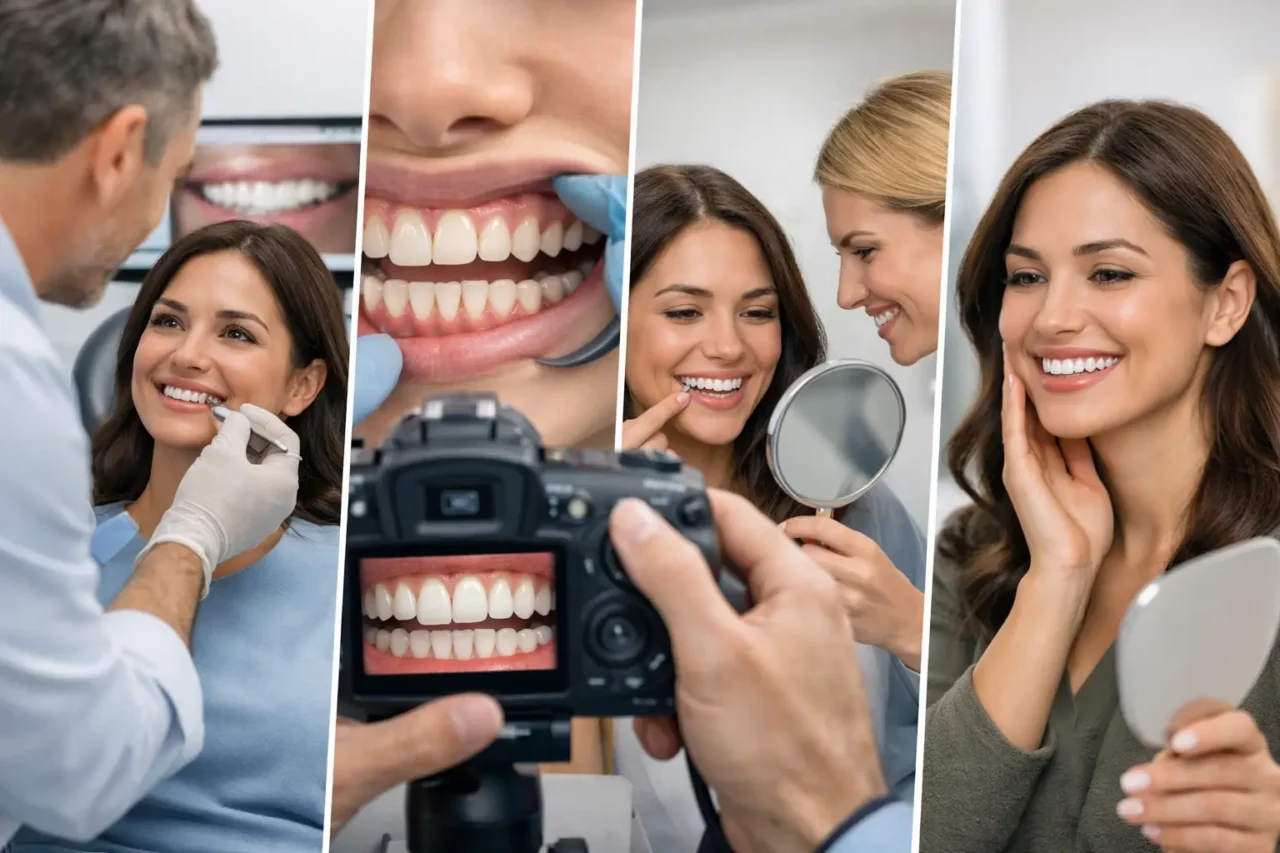
A beautiful smile should never begin with a rushed decision in a dental chair. The smile design patient journey begins with understanding what you want to change, what your teeth need clinically, and what will look believable on your face – not simply choosing the brightest or biggest veneers available.
For international patients, the experience also includes practical questions: Can treatment be completed during one trip? How many days should you stay in Cartagena? What happens if you need implants, crowns, or gum treatment before cosmetic work? A well-planned process answers those questions early, so you can travel with confidence and focus on the result ahead.
The Smile Design Patient Journey Starts Before You Travel
Your first step is an online consultation. You can share photos of your smile, describe your concerns, and explain whether your goal is primarily cosmetic, restorative, or both. Some patients want to close spaces, correct worn or chipped teeth, or improve uneven color. Others need to replace missing teeth, restore old crowns, or rebuild a bite that no longer feels comfortable.
This early conversation is not a substitute for an in-person examination, but it is the right place to establish expectations. Your dentist can discuss likely options, such as porcelain veneers, crowns, whitening, dental implants, or a combination of treatments. You can also receive a preliminary quote and a suggested travel timeline.
Clear photographs make this stage more useful. Front-facing smile photos, close-ups of the teeth, and pictures from each side can help the clinical team identify visible concerns. If you have recent X-rays, dental records, or information about previous treatments, sharing them can provide additional context.
The goal is not to promise a final diagnosis from a distance. It is to give you a realistic starting point, communicate in fluent English, and make sure your proposed trip matches the level of care you may need.
Planning a Smile That Looks Like You
Smile design is both aesthetic and functional. A natural-looking result considers tooth shape, proportion, gum line, lip movement, facial features, skin tone, and how your teeth meet when you bite. The best smile for a friend, celebrity, or social media influencer may not be the best smile for you.
During planning, it helps to be specific about what you like and dislike. You may prefer a subtle improvement that preserves your character, or you may want a brighter, more uniform appearance. Reference photos can be useful, but they should guide a conversation rather than dictate an identical result.
There are trade-offs to discuss. Veneers can create a dramatic cosmetic change when teeth are healthy and properly positioned, but they are not the answer for every concern. Whitening may be the more conservative choice for healthy teeth with discoloration. Crowns may be necessary when a tooth is heavily damaged or has undergone root canal treatment. If teeth are missing, implants may need to come before the final cosmetic design.
Your dentist should also assess bite forces and habits such as clenching or grinding. A beautiful restoration needs to stand up to everyday use. In some cases, a night guard, orthodontic treatment, gum therapy, or staged restorative work will protect the long-term result better than trying to do everything at once.
Your First Appointment in Cartagena
Once you arrive, the in-person assessment turns the preliminary plan into a precise clinical roadmap. This may include a comprehensive examination, digital photographs, X-rays or 3D imaging when indicated, bite analysis, and shade selection. It is also your opportunity to ask final questions before treatment begins.
This appointment matters because teeth and gums can reveal details that do not appear in photos. An old filling may be leaking, a crown may have hidden damage, or gum inflammation may need attention before final restorations are placed. A trustworthy treatment plan adapts to these findings rather than ignoring them to stay on a rigid cosmetic schedule.
At Smile Makeover Cartagena, patients are guided through this process with personalized planning and clear English communication. You should know what treatment is being recommended, why it is needed, how long it will take, and what alternatives are available before you move forward.
Designing, Testing, and Refining the Look
For many smile design cases, the next stage involves preparing teeth when necessary and creating temporary restorations or a trial smile. This is where the proposed design becomes visible in your mouth rather than remaining an idea on a screen.
Temporary veneers or crowns allow you and your dentist to evaluate key details: length, shape, symmetry, speech, bite comfort, and how the teeth look when you smile naturally. Small adjustments at this stage can make a meaningful difference. A tooth that looks ideal in a close-up photo may feel too long when you speak, or a very white shade may look less natural in daylight.
This is why patient input is valuable. You do not need clinical vocabulary to communicate what feels right or wrong. Saying that a smile feels too square, too prominent, too bright, or unlike you gives the dentist useful direction. The clinical team then balances your preferences with oral health, function, and the materials best suited to your case.
For porcelain veneers, crowns, bridges, and implant restorations, the final restorations are fabricated to the approved plan. Depending on the scope of treatment, this can require several appointments over a number of days. Implant cases may follow a different timeline because healing and bone integration can be essential before permanent teeth are placed. When that is the case, your dentist should explain whether you need one trip, a return visit, or a temporary solution between phases.
Final Placement Is Not the End of Care
When final restorations are ready, your dentist checks their fit, color, contact points, bite, and overall appearance before permanently placing them. This appointment is about precision. Restorations should feel comfortable when you speak and chew, and they should blend naturally with your facial expression.
You will also receive guidance on caring for your new smile. Porcelain does not decay, but the natural tooth structure and gum tissue around it still require daily care. Brush with a nonabrasive toothpaste, floss carefully, attend regular dental cleanings, and avoid using your teeth to open packages or bite hard objects. If you grind your teeth, wear the recommended night guard.
Patients traveling home should leave with a clear follow-up plan. That includes knowing what mild sensitivity may be normal, what symptoms require attention, and how to contact the clinic with questions after treatment. A quality dental tourism experience does not stop when you board the flight home. Follow-up communication helps protect your investment and gives you reassurance as you adjust to your new smile.
What to Expect From the Experience
Every smile design patient journey is different. A straightforward veneer or whitening case may fit comfortably into one visit window, while full-mouth rehabilitation or implant treatment requires more planning and, sometimes, more than one trip. The right approach depends on your oral health, treatment goals, budget, available travel time, and the amount of natural tooth structure that can be preserved.
The common thread is careful planning. When you choose a clinic that listens to your goals, explains the clinical realities, and coordinates your care around your travel schedule, cosmetic dentistry abroad can feel organized rather than overwhelming.
Your smile is part of how you speak, laugh, eat, and show up in photographs for years to come. Start with an honest consultation, allow room for thoughtful design, and choose a treatment plan that gives equal importance to confidence, comfort, and lasting oral health.
