


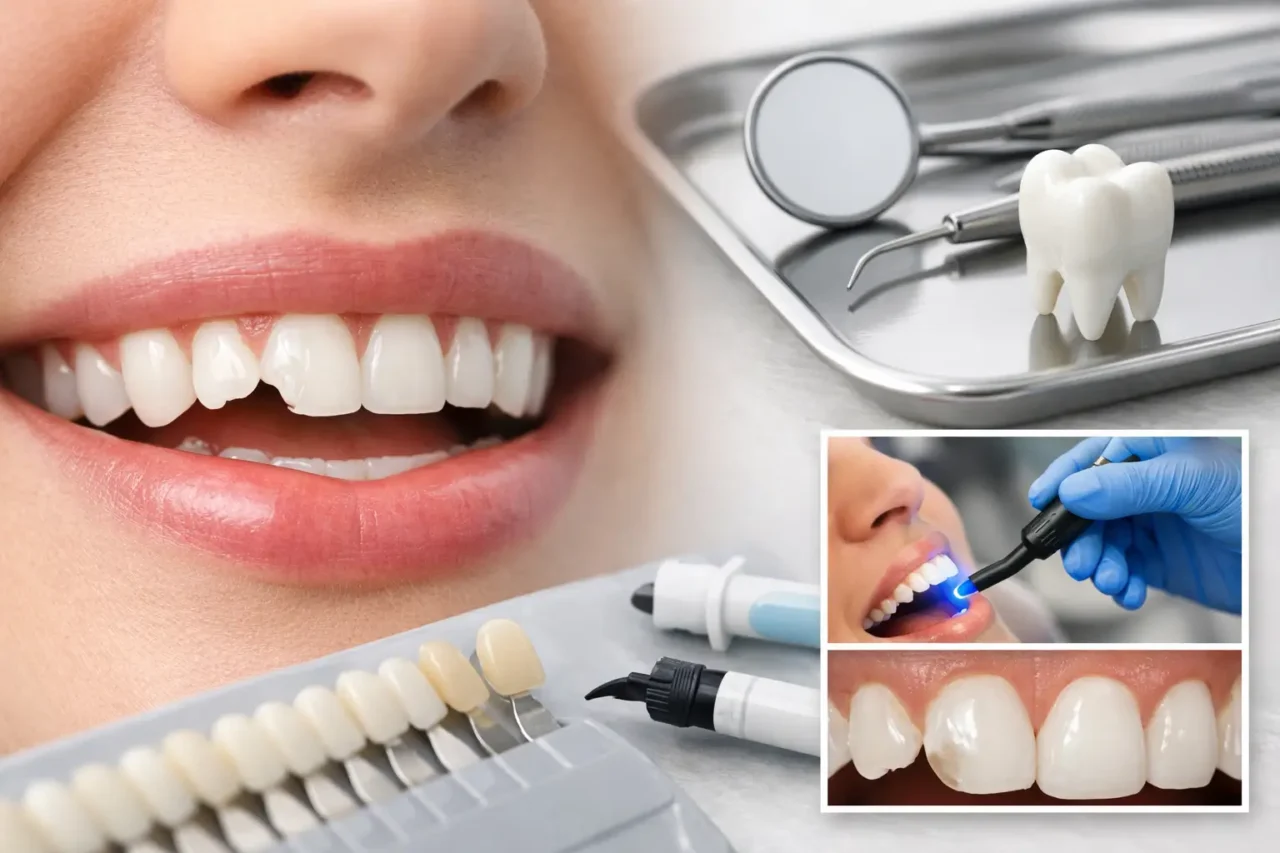
A small chip can change the way you smile in photos, make a front tooth feel sharp against your tongue, or leave you worried that the damage will spread. These chipped tooth repair examples show why there is no one-size-fits-all answer. The right solution depends on the tooth, the size and location of the chip, your bite, and the result you want to see when you smile.
For international patients, the goal is often twofold: restore strength and create a natural-looking result without extending treatment longer than necessary. A proper examination, digital imaging when indicated, and clear communication in English help turn an uncertain dental issue into a treatment plan you can feel comfortable traveling for.
What Determines the Best Repair for a Chipped Tooth?
A chip on the corner of a front tooth is very different from a fractured back tooth that carries the force of chewing. Your dentist first checks whether the damage is limited to enamel, reaches dentin, affects an existing filling, or has exposed the nerve. Sensitivity to cold, pain when biting, discoloration, and looseness are all details that can change the recommendation.
Cosmetics matter, too. A repair on a visible tooth must match surrounding enamel in shade, translucency, shape, and texture. A treatment that looks excellent on the day it is placed should also fit your bite comfortably and support the long-term health of the tooth.
Chipped Tooth Repair Examples by Type of Damage
Example 1: A tiny enamel chip smoothed and polished
Imagine a small, rough notch on the edge of a front tooth after biting a fork or taking a minor fall. If the chip is shallow and does not alter the tooth’s appearance significantly, smoothing and polishing may be all that is needed. The dentist gently refines the uneven edge so it feels comfortable and blends into the natural contour.
This is the most conservative option because it usually removes very little enamel. The trade-off is that it cannot rebuild missing length or correct a chip that is clearly visible. It works best when the damage is truly minor and the tooth is otherwise healthy.
Example 2: Front tooth chipped at the corner repaired with bonding
Composite bonding is one of the most common chipped tooth repair examples for a visible front tooth. A tooth-colored resin is layered directly onto the chipped area, shaped by hand, hardened with a curing light, and polished to match the neighboring teeth. In many straightforward cases, treatment can be completed in a single appointment.
Bonding is a practical choice when you want a conservative repair with immediate cosmetic improvement. It can restore a small to moderate corner chip, close a tiny gap, or improve an uneven edge. Composite is not as stain-resistant or as hard as porcelain, however, so it may need polishing, touch-ups, or replacement over time, especially for patients who bite their nails, chew ice, or grind their teeth.
Example 3: A larger chip restored with a porcelain veneer
When a front tooth has lost more visible structure, has repeated bonding repairs, or also needs a broader cosmetic improvement, a porcelain veneer may be the better choice. A veneer is a custom porcelain shell bonded to the front surface of the tooth. It can restore the chipped edge while also refining color, shape, and symmetry.
This approach is often considered during a smile design plan when several front teeth need improvement together. Porcelain can provide exceptional translucency and color stability, but veneers require careful planning and usually involve some enamel preparation. They are not automatically the right answer for every chip. If only one tiny area is damaged, conservative bonding may preserve more natural tooth structure.
Example 4: A broken cusp on a molar covered with a crown
Back teeth face heavy biting pressure. If a molar has a large fractured cusp, an old filling that has weakened the remaining tooth, or a crack extending beyond a simple surface chip, a dental crown may be recommended. A crown covers the tooth like a protective cap, helping distribute chewing forces and reduce the risk of a more serious fracture.
This is a restorative decision as much as a cosmetic one. A small chip on a molar may only need smoothing or a tooth-colored filling, while a large missing section may leave too little strong enamel for a simple repair to last. The dentist evaluates how much healthy tooth remains, where the bite lands, and whether the tooth has symptoms before recommending coverage.
Example 5: A chipped tooth with nerve involvement treated before restoration
A hard impact can chip a tooth deeply enough to expose the inner nerve tissue. Signs may include lingering sensitivity, spontaneous pain, swelling, or a visible red or dark spot in the damaged area. In this situation, the priority is not simply covering the chip. The tooth may need root canal treatment first, followed by a filling, crown, or other restoration that protects the remaining structure.
Not every deep-looking chip requires a root canal, and not every painless tooth is healthy. X-rays and clinical testing help determine whether the nerve has been affected. Prompt care matters because early treatment may prevent pain, infection, and additional damage.
Bonding, Veneers, or Crowns: Choosing With Confidence
The most attractive option is not always the most appropriate option. Bonding preserves the most tooth structure and is often ideal for localized cosmetic repairs. Veneers can create a more comprehensive aesthetic change across the smile. Crowns are generally reserved for teeth that need greater structural protection.
Your habits also matter. If you clench or grind your teeth, a night guard may be part of the recommendation regardless of whether you choose bonding, veneers, or crowns. If you play contact sports, a protective mouthguard can help prevent another injury. For patients with several worn, chipped, or uneven teeth, the bite may need to be addressed before cosmetic work begins.
A quality consultation should include a discussion of durability, maintenance, shade matching, the number of appointments, and realistic expectations. Ask whether the proposed repair is intended to be temporary, long-term, or part of a larger smile makeover plan.
Planning Chipped Tooth Repair During a Cartagena Visit
Travel patients benefit from sending clear photos and dental X-rays, if available, before booking. An online consultation can help determine whether the concern appears suitable for a short visit or whether more time should be reserved for diagnostics, laboratory-made restorations, or treatment after a root canal.
At Smile Makeover Cartagena, planning is centered on personalized care, fluent English communication, and a clear timeline from consultation through follow-up. For simple bonding, treatment may be possible quickly. Veneers and crowns require more coordination because impressions or digital scans, fabrication, fitting, and final adjustments all need to be handled carefully. Your dentist should never rush a final restoration simply to fit an itinerary.
If your tooth is painful, swollen, bleeding heavily, loose, or has a large missing section, seek urgent dental care rather than waiting for a planned trip. Save any broken tooth fragment in milk or saliva if possible, avoid chewing on that side, and protect sharp edges with dental wax until you can be seen.
How to Protect a Newly Repaired Tooth
After treatment, avoid using your teeth to open packages, cut thread, or crack hard foods. Limit ice chewing and be cautious with hard candy, unpopped popcorn kernels, and similar foods that can damage natural enamel and restorations alike. Regular cleanings and routine exams give your dentist a chance to polish bonding, check crown margins, and spot bite-related wear early.
The best repair is the one that respects the health of your tooth, suits your smile goals, and holds up to the way you actually use your teeth. A clear evaluation can replace guesswork with a plan that feels as good as the result looks.
