


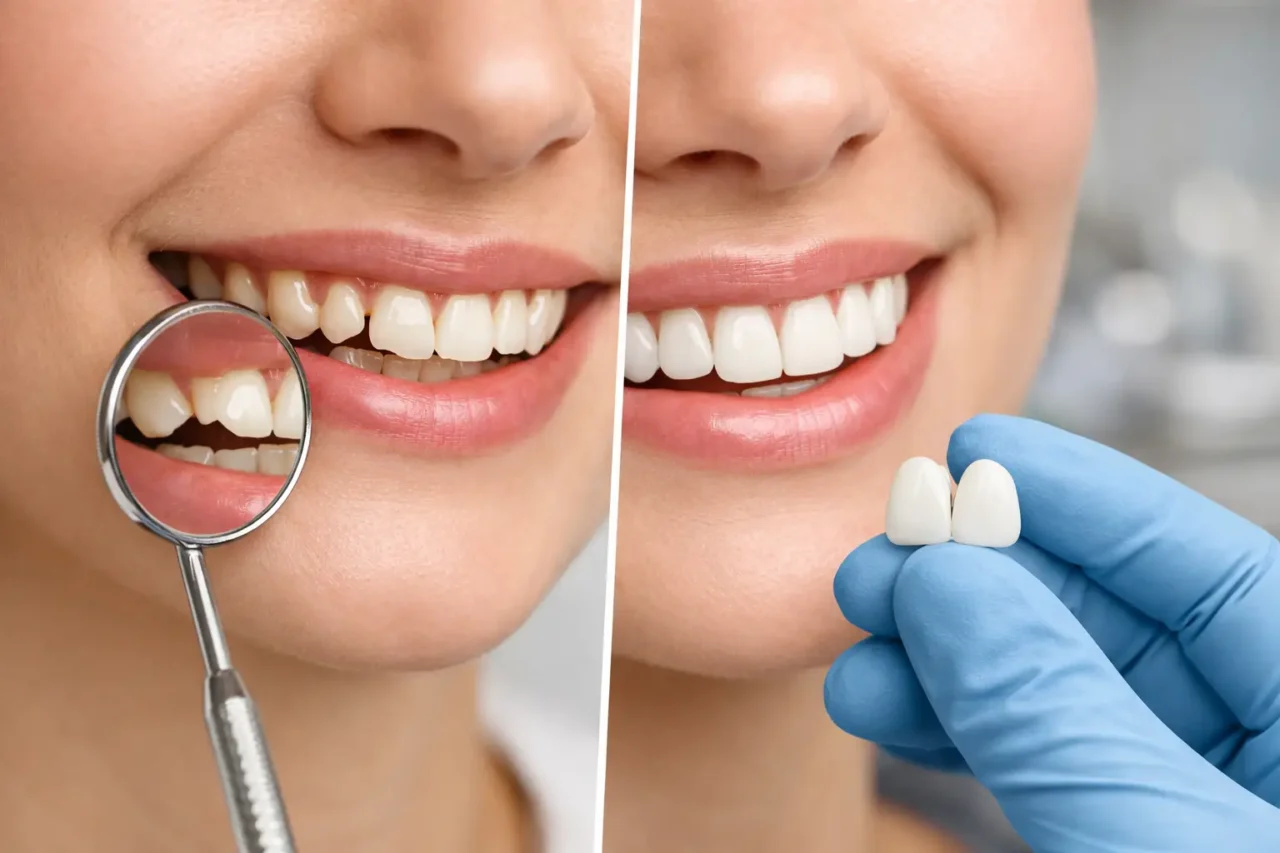
A chipped front tooth has a way of pulling all your attention to one small spot. You notice it in photos, on video calls, and every time you catch your reflection speaking or smiling. For many patients, veneers for chipped teeth are not just a cosmetic fix. They are a way to restore confidence, protect a damaged tooth, and create a more balanced smile without years of treatment.
If you are comparing options, the key question is not whether veneers can cover a chip. They can. The real question is whether they are the right solution for your specific tooth, your bite, and the result you want. That is where good planning matters.
When veneers for chipped teeth make sense
Veneers are thin custom restorations bonded to the front surface of a tooth. They are often made from porcelain and designed to improve shape, color, and symmetry. When a tooth is chipped, a veneer can cover the damaged area and rebuild the appearance of the tooth in a way that looks natural and polished.
This option tends to work best when the tooth is still structurally sound and the chip is visible from the front. Small to moderate chips on front teeth are common candidates, especially when the patient also wants to improve other details like uneven edges, worn enamel, minor spacing, or discoloration.
A veneer may also be the better choice when a simple bonding repair would fix the chip but not deliver the esthetic finish the patient wants. Bonding is more conservative and often less expensive, but it can stain over time and may not match the translucency of porcelain as well. For patients who want a longer-lasting cosmetic upgrade, veneers often deliver a more refined result.
When a veneer may not be the best option
Not every chipped tooth should be treated with a veneer. If the damage is deep, if a large portion of the tooth is missing, or if the tooth has a crack extending beyond the visible edge, a crown may offer better protection. A crown covers more of the tooth and is often recommended when strength is the priority.
Bite matters too. Patients who clench or grind heavily can still be candidates for veneers, but the plan may need to include bite management and a night guard. Without that, a beautiful result can be placed under too much force.
There are also cases where composite bonding makes more sense. If the chip is very small and the tooth is otherwise healthy and attractive, bonding can be an excellent first step. It is quicker, less invasive, and easier to repair. The trade-off is durability and long-term stain resistance.
Veneers vs bonding for a chipped tooth
This is one of the most common comparisons, and the answer depends on your goals.
Bonding uses tooth-colored composite resin to rebuild the chipped area directly on the tooth. It can often be done in one visit, and little to no enamel removal may be needed. For a minor chip, that simplicity is appealing.
Porcelain veneers require more planning and a higher level of craftsmanship, but they offer stronger stain resistance and a more lifelike finish. They are especially appealing when the chipped tooth is part of a bigger cosmetic concern. If you want to correct shape, brightness, and symmetry at the same time, a veneer can solve more than one issue in a single treatment plan.
The practical difference often comes down to expectations. If your priority is the most conservative repair, bonding may be enough. If your priority is a more elevated smile design result that holds its appearance well over time, veneers are often worth considering.
What the treatment process looks like
For international patients, clarity matters just as much as the dental work itself. The veneer process should feel organized from the first conversation through final placement.
It usually starts with photos, X-rays if available, and a consultation to assess the chipped tooth, your bite, and the overall look of your smile. If you are traveling for care, this early review helps determine whether veneers are appropriate before you book flights or finalize your schedule.
Once you are evaluated in person, the tooth is prepared conservatively if needed. Impressions or digital scans are taken, and the veneer is designed to match your natural smile or the broader smile makeover plan. In many cases, temporary restorations are placed while the final porcelain veneer is fabricated.
At the delivery visit, the veneer is checked for fit, shape, color, and bite before being bonded into place. When done well, it should not look like a cap or an obvious cosmetic add-on. It should look like a healthy, naturally proportioned tooth.
For patients traveling to Cartagena, treatment timing depends on the complexity of the case and whether you are restoring one chipped tooth or combining veneers with additional cosmetic work.
Will veneers look natural?
This is usually the biggest concern, especially for patients who have seen overly white, bulky, artificial-looking dental work elsewhere. A well-made veneer should not announce itself. It should blend with your facial features, your lip line, and the adjacent teeth.
Natural-looking results depend on several details working together: shade selection, translucency, tooth proportions, edge shape, and how the veneer reflects light. The dentist’s eye matters, but so does the lab quality and the planning behind the case.
For a single chipped tooth, matching the neighboring teeth is critical. For multiple veneers, the goal is harmony rather than sameness. The best smiles do not look manufactured. They look refreshed, healthy, and believable.
How long do veneers for chipped teeth last?
Porcelain veneers can last many years with proper care. Longevity depends on the quality of the materials, the bonding technique, your oral hygiene, and everyday habits. Patients who chew ice, open packages with their teeth, or grind at night put more stress on veneers and may shorten their lifespan.
That said, veneers are not temporary cosmetics. They are a durable restorative option when planned correctly. Routine cleanings, regular dental checkups, and good home care make a real difference. If you grind your teeth, wearing a night guard can protect both the veneers and your natural teeth.
No dentist should promise that veneers last forever. A trustworthy consultation includes both the benefits and the maintenance required.
Cost and why many patients look abroad
In the United States and Canada, cosmetic dentistry fees can make even a single chipped tooth feel expensive to repair, especially when patients want porcelain rather than a basic composite patch. That is one reason many patients start exploring treatment abroad.
The appeal is not just lower pricing. It is the chance to receive comprehensive cosmetic care, clear planning, and personalized attention without sacrificing quality. For patients already considering travel, a destination like Cartagena offers another advantage: treatment can be organized efficiently, often with fewer scheduling delays than they face at home.
At Smile Makeover Cartagena, many international patients begin with an online consultation so they understand their options, timing, and expected investment before traveling. That level of planning matters when you are coordinating dental care around flights, accommodations, and time away from work.
Questions to ask before saying yes
If you are considering veneers for a chipped tooth, ask whether the tooth is strong enough for a veneer, whether bonding or a crown would be more appropriate, and how the restoration will hold up with your bite. Ask to see examples of natural-looking cases, not just dramatic before-and-after photos.
You should also ask how many visits are required, what the recovery is like, and what happens if you need follow-up care after returning home. For international patients, communication and planning are part of the treatment quality. You want a dental team that explains each step clearly and makes the process feel manageable, not rushed.
A chipped tooth may look like a small problem, but the right solution can have a big effect on how you feel when you smile. If veneers are recommended for the right reasons, they can do more than hide damage. They can give you back a smile that feels complete, natural, and fully yours.

