


A lot of patients ask the same question right after seeing a beautiful before-and-after photo: are veneers permanent treatment, or can you simply take them off later if you change your mind? The honest answer is that veneers are considered a long-term cosmetic treatment, but the full story matters. Veneers are not permanent in the sense that they last forever without maintenance. They are permanent in the sense that the decision usually involves changing the natural tooth structure, which means your teeth will continue to need some type of covering in the future.
That distinction is what helps patients make a smart decision, especially if they are comparing treatment options, budgets, and travel plans.
Are veneers permanent treatment in the strict sense?
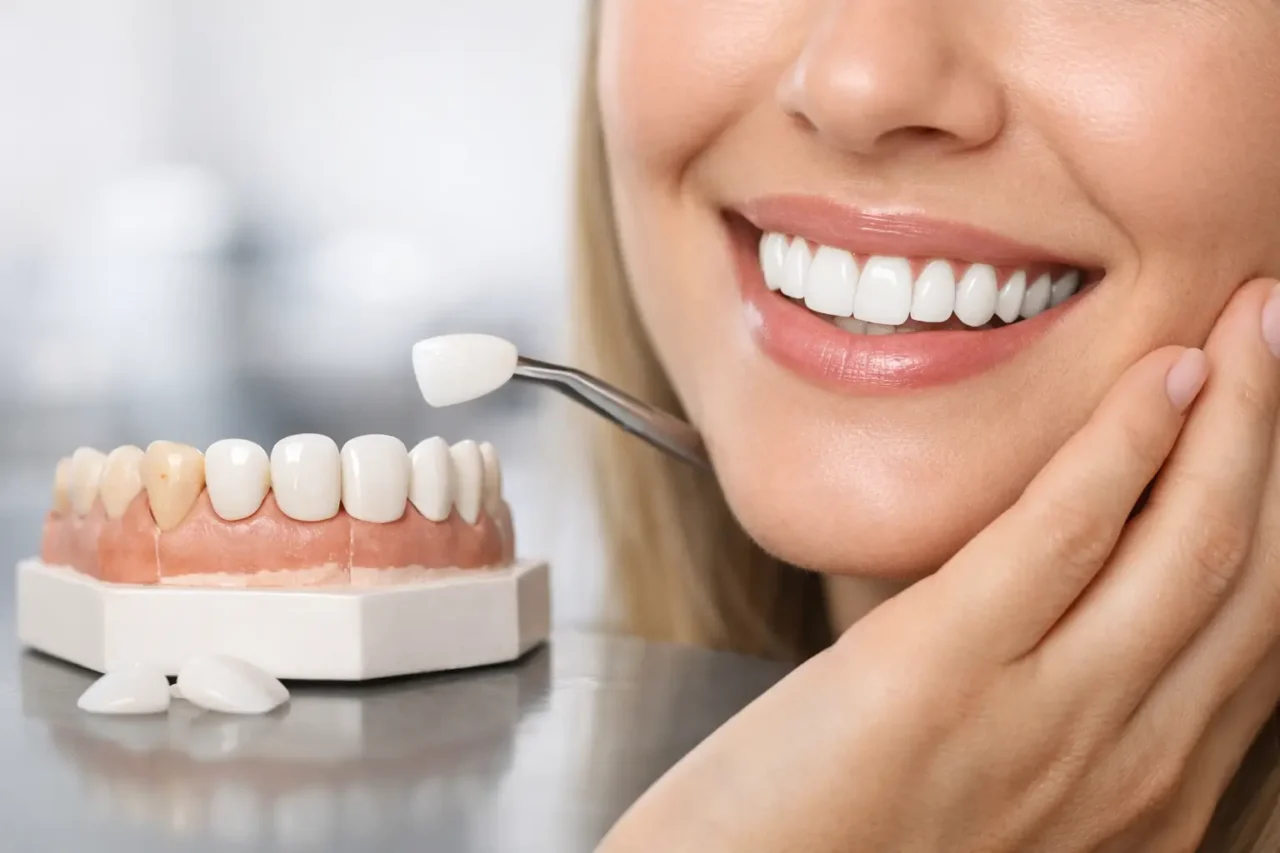
Porcelain veneers are thin shells bonded to the front surface of teeth to improve shape, color, symmetry, and overall smile balance. To place them properly, a dentist often removes a small amount of enamel from the natural teeth. Once that enamel is reduced, it does not grow back.
This is why veneers are usually described as irreversible. If a veneer is removed or eventually needs replacement, the prepared tooth will still require protection and cosmetic coverage. So if you are asking whether veneers are permanent treatment, the practical answer is yes in terms of commitment, but no in terms of lifespan. They do not last forever, and they may need to be replaced after many years of use.
For most patients, that is not a drawback. It is simply part of choosing a high-impact cosmetic treatment that can dramatically improve a smile when planned well.
What makes veneers feel permanent?
The permanence comes from tooth preparation, not from the material lasting forever. Many patients assume “permanent” means indestructible. In dentistry, it more often means the tooth has been altered in a way that cannot be undone naturally.
With traditional porcelain veneers, the dentist usually reshapes the visible front surface enough to create space for a natural-looking result. That step helps the veneers sit flush rather than looking bulky. It also improves how the smile functions and feels once the veneers are bonded.
This is one reason expert planning matters so much. A conservative, well-designed veneer case can preserve as much enamel as possible while still delivering a strong, attractive result.
How long do veneers usually last?
Porcelain veneers can often last 10 to 15 years, and in many cases longer, with good oral care and proper bite management. Composite veneers generally have a shorter lifespan and may stain, chip, or wear down sooner.
The exact timeline depends on several factors. The quality of the material matters. The skill of the dentist matters. Your bite matters. Habits such as nail biting, chewing ice, using teeth to open packaging, or grinding at night can shorten the life of veneers.
This is where expectations should stay realistic. Veneers are durable, but they are not maintenance-free. They should be treated like an investment in your smile, not a one-time fix you never think about again.
Are no-prep veneers permanent too?
Sometimes patients ask about minimal-prep or no-prep veneers because they want a less invasive option. These cases can be more conservative, and in select situations they may require little to no enamel reduction. That sounds ideal, but it is not right for everyone.
No-prep veneers work best when there is enough natural space to add material without creating bulk. If teeth are already prominent, crowded, or angled outward, skipping preparation can lead to a result that looks too thick or unnatural. In those situations, a small amount of preparation may actually create the more beautiful and balanced outcome.
So are no-prep veneers permanent treatment? They can still be a long-term commitment, but the level of irreversibility may differ depending on how much enamel was altered. This is one of those cases where “it depends” is the most accurate answer.
Veneers vs other cosmetic options
Patients considering veneers are often comparing them with whitening, bonding, crowns, or orthodontic treatment. Each option solves a different problem.
Whitening is less invasive, but it cannot correct shape, worn edges, gaps, or deep internal discoloration in the way veneers can. Bonding is more conservative and usually less expensive upfront, but it tends to stain and wear faster than porcelain. Crowns cover more of the tooth and may be necessary for teeth that are heavily damaged, but they also involve more reduction than veneers. Orthodontics can move teeth into better alignment, yet it will not change the color or contour of the teeth themselves.
For patients who want a dramatic cosmetic change in a short time, veneers often offer the best blend of aesthetics and efficiency. The trade-off is that traditional veneers are usually not reversible.
When veneers are a good long-term choice
Veneers can be an excellent option if your goals include a brighter, more symmetrical, more youthful smile and your underlying teeth are healthy enough for cosmetic treatment. They are especially appealing for patients with chipped teeth, uneven edges, small gaps, worn enamel, stubborn discoloration, or irregular shapes.
They also make sense for patients who want predictable results and are ready to invest in maintenance over time. If you have been thinking about changing your smile for years and want a result that looks polished but natural, veneers may be worth the long-term commitment.
The key is personalized planning. A smile that looks beautiful on someone else may not suit your face, bite, or dental health. The best veneer cases are designed around proportion, lip line, gum display, speech, and function, not just shade and shape.
When veneers may not be the best first step
Veneers are not automatically the best answer for every smile concern. If you have active gum disease, untreated cavities, heavy grinding, or major bite issues, those problems should be addressed first. If your main concern is simple misalignment, orthodontics may be the better starting point. If a tooth is badly weakened or heavily filled, a crown could be more appropriate.
Patients who are unsure about making an irreversible cosmetic change should also take time before deciding. Veneers can be life-changing in the best way, but they should never feel rushed. You want to understand what is being changed, how long the result may last, and what replacement could look like years from now.
What international patients should ask before choosing veneers
If you are traveling for treatment, clarity matters even more. Before moving forward, ask how much tooth preparation is expected, what material will be used, how many appointments are needed, and how temporary veneers are handled during treatment. Ask how the smile design is customized and what happens if you grind your teeth or need follow-up care later.
You should also ask to see real cases with results that look natural, not overly opaque or oversized. A good veneer result should fit your face and age well. For international patients, communication is a major part of safety. You want a team that explains the treatment clearly in English, provides a structured timeline, and helps you understand both the cosmetic benefits and the long-term responsibility.
At Smile Makeover Cartagena, that level of planning is part of what helps patients feel confident combining advanced dental care with travel.
The real question behind “are veneers permanent treatment”
Most patients are not just asking about permanence. They are asking whether veneers are worth it. They want to know if the result will justify the investment, the travel, and the decision to alter healthy teeth.
For the right patient, the answer is often yes. Veneers can create a major improvement in confidence, appearance, and harmony of the smile. They can also hold up beautifully for many years when the case is well planned and properly maintained.
But the best decision comes from understanding both sides. Veneers are a long-term cosmetic solution, not a casual beauty treatment. They require skill, judgment, and a future-minded approach.
If you are considering veneers, think less about whether they are permanent forever and more about whether they are the right long-term fit for your smile, your goals, and the way you want to feel every time you look in the mirror.
