


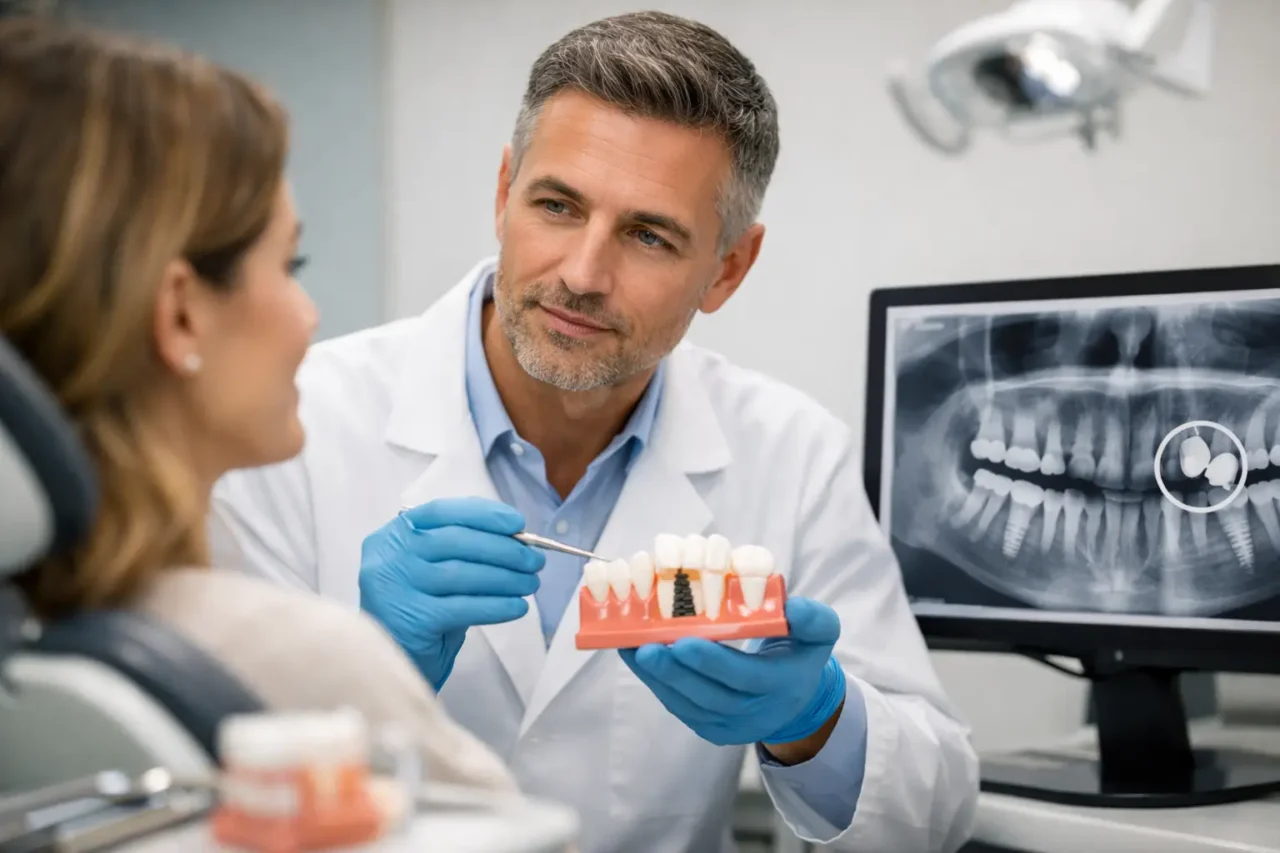
Being told that a tooth cannot be saved, that you are not a candidate for implants, or that you need to accept a removable denture can feel final. At Smile Makeover Cartagena, no solution? we resolve complex dental problems is a patient-centered approach to finding the safest, most realistic path forward – not a promise of a one-size-fits-all fix.
Complex dental concerns often affect more than your appearance. Missing teeth can change how you chew and speak. Worn, cracked, or failing teeth can cause discomfort and make you hide your smile. For international patients, the challenge can feel even larger when treatment recommendations at home are expensive, unclear, or spread across multiple specialists.
Why Some Dental Problems Become Complex
A dental problem is rarely complex because of one tooth alone. It becomes complex when several concerns overlap: gum disease, old crowns, root canal-treated teeth, missing teeth, bite imbalance, bone loss, or years of wear from grinding. A cosmetic goal may also need to be balanced with the health and strength of the teeth underneath.
For example, placing veneers on teeth with untreated decay, active gum inflammation, or an unstable bite may create a beautiful short-term result but a poor long-term outcome. Similarly, replacing a missing tooth with an implant requires an evaluation of bone volume, gum health, bite forces, and the condition of neighboring teeth.
That is why a complete treatment plan matters. The right solution may involve restoring function first, then refining color, shape, and symmetry. In other cases, a carefully planned combination of crowns, implants, bridges, veneers, and whitening can address both function and aesthetics in a coordinated way.
No Solution? We Resolve Complex Dental Problems With a Plan
A complex case should begin with clear answers, not pressure. During the planning process, we review your concerns, dental history, goals, available X-rays or scans, and photos of your smile whenever possible. This gives Dr. Fanny Valera and the clinical team a stronger understanding of what may be needed before you travel to Cartagena.
An online consultation is useful for discussing likely options, estimated treatment timing, and a customized quote. However, the final recommendation is confirmed after an in-person examination. This protects you from committing to a treatment plan based only on assumptions.
First, We Identify What Can Be Preserved
Saving healthy natural tooth structure is often preferable when it is clinically appropriate. A damaged tooth may be restored with a filling, crown, or root canal treatment rather than extracted. An old crown may need replacement because of decay at the edge, fracture, poor fit, or cosmetic mismatch, but the tooth beneath it may still be restorable.
There are situations where extraction is the healthier choice. A tooth with severe fracture, advanced infection, or insufficient remaining structure may not have a predictable long-term prognosis. In those cases, removing the tooth and planning a replacement can prevent repeated emergency treatment and ongoing expense.
Then, We Build a Stable Foundation
Complex restorative dentistry is about sequencing. Gum treatment may need to come before crowns or veneers. A failing bridge may need to be removed before implant planning can begin. If you grind your teeth, bite adjustments or a protective night guard may be part of preserving your new work.
The timeline depends on your diagnosis. Some smile makeovers can be completed efficiently during a planned visit, while implant cases may require healing time between stages. A responsible plan explains these trade-offs clearly rather than promising that every procedure can be finished in a few days.
Treatment Options for Functional and Cosmetic Rehabilitation
The best treatment is the one that fits your oral health, goals, timeline, and budget. For many patients, that means combining services rather than selecting one procedure in isolation.
Dental Implants for Missing Teeth
Dental implants are designed to replace missing tooth roots and support a crown, bridge, or full-arch restoration. They can be an excellent option for patients who want a fixed, natural-feeling alternative to removable dentures. Implant treatment may be particularly valuable when missing teeth are affecting chewing confidence or causing neighboring teeth to shift.
Not every patient has the same bone quality or healing needs. Some cases may require additional planning or a staged approach. A detailed evaluation helps determine whether implants are appropriate and how they can be integrated into your overall restoration.
Crowns and Bridges for Damaged or Missing Teeth
A dental crown can restore a tooth that is weakened, deeply decayed, fractured, or discolored after root canal treatment. Modern crowns are designed to blend with the surrounding smile while providing strength for daily function.
A bridge may be considered when replacing a missing tooth, especially when adjacent teeth already need crowns. Whether an implant or bridge is the better choice depends on the health of surrounding teeth, available bone, treatment timing, and your personal preferences.
Veneers and Smile Design for Visible Improvements
Porcelain veneers can improve the shape, color, proportion, and symmetry of front teeth. They may be part of a smile makeover for patients with chips, gaps, uneven edges, worn enamel, or long-standing discoloration that whitening cannot fully correct.
Veneers are not a substitute for treating disease or instability. When the bite is compromised, gums are inflamed, or back teeth need support, those issues should be addressed as part of the plan. The goal is a smile that looks natural because it is built on healthy function, not because it merely photographs well.
Prosthetics and Full-Mouth Solutions
When several teeth are missing or failing, a larger rehabilitation may be the most practical option. This can include implant-supported bridges, dentures, crowns, or a combination of restorations. Full-mouth treatment is highly individualized because the starting point varies dramatically from patient to patient.
The most successful cases balance comfort, speech, chewing ability, facial support, and aesthetics. A lower-cost option is not always the best value if it leads to frequent repairs or compromises your ability to eat comfortably. On the other hand, a comprehensive plan can often be phased when immediate treatment needs and budget priorities differ.
Planning Dental Care From the United States, Canada, or Europe
Traveling for dental treatment should not mean sacrificing communication or clarity. International patients need to understand what is being recommended, why it is needed, what it will cost, and how much time they should allow in Cartagena.
Before your visit, share your recent dental records, X-rays, and a clear description of your concerns if available. Be open about medical conditions, medications, smoking, teeth grinding, and previous dental treatment. These details can influence healing, anesthesia decisions, implant planning, and the longevity of restorations.
A well-organized dental tourism process also leaves room for real life. You need time for appointments, laboratory work, adjustments, and recovery when applicable. Some patients combine treatment with enjoying Cartagena, but the dental schedule should always come first. Complex care deserves adequate time and careful follow-up instructions after you return home.
What You Should Expect From a Trustworthy Treatment Plan
A quality plan should be transparent. You should know which treatments are essential for health, which are recommended for durability, and which are elective cosmetic enhancements. You should also understand alternatives when they exist.
Ask how long each restoration is expected to last, what maintenance it requires, and what can affect its longevity. Crowns, veneers, bridges, and implants are durable, but they are not maintenance-free. Daily hygiene, regular cleanings, bite protection, and avoiding habits such as chewing ice all matter.
You should also expect honest limits. Severe bone loss, active periodontal disease, uncontrolled grinding, and certain medical factors can affect what is possible. The right clinician will explain those limitations while still looking for practical solutions that respect your goals.
A difficult dental history does not mean you are out of options. It means your care should be more thoughtful, more personalized, and planned around the result you want to live with for years. Start with your records, your questions, and a clear picture of what you want to change – then let an experienced team help you see what is truly possible.
