


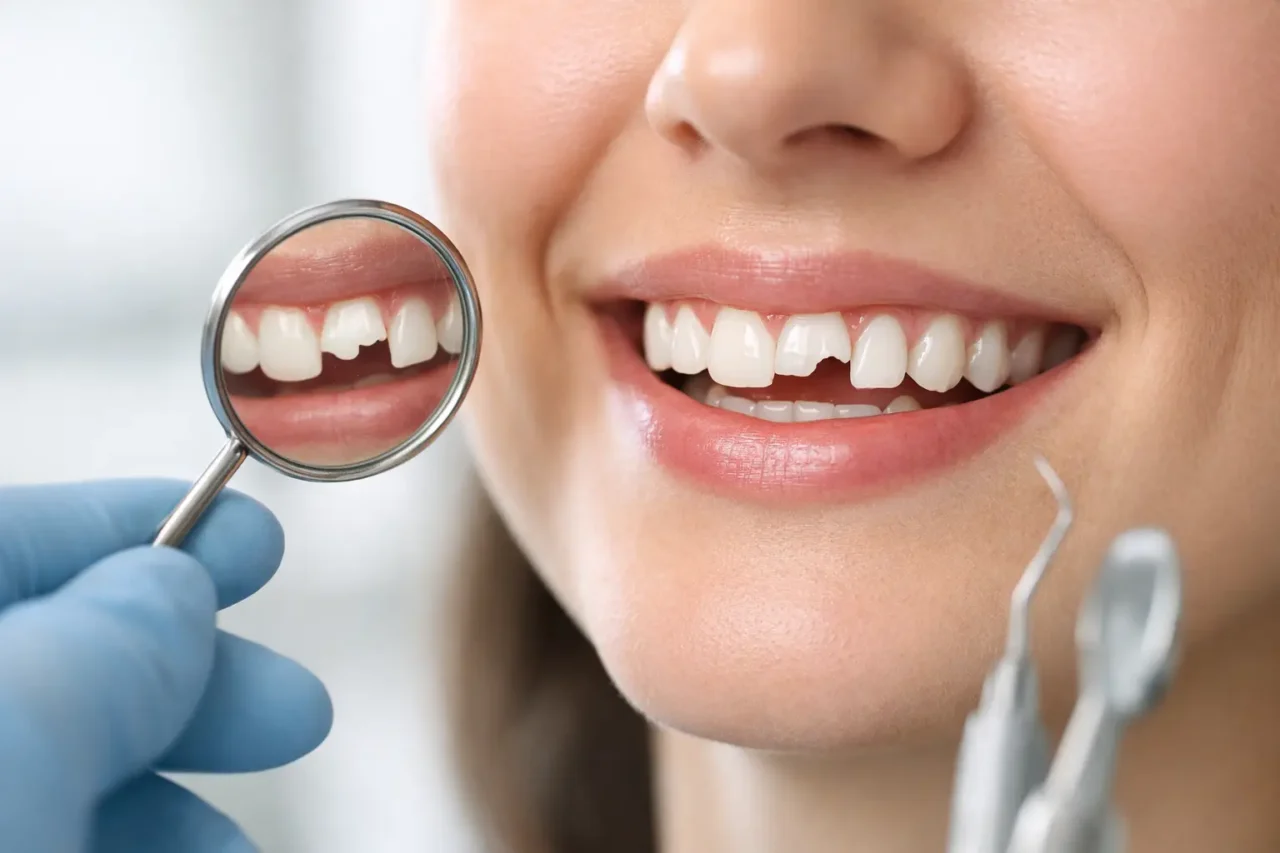
A broken front tooth has a way of making everything feel urgent. You notice it when you speak, when you smile, and sometimes every time your tongue touches the edge. If you need to fix broken front teeth, the right treatment depends on more than appearance alone. The size of the break, the health of the tooth root, your bite, and how quickly you want a natural-looking result all matter.
For many patients, the first question is simple: can this tooth be saved? Often, yes. Modern cosmetic and restorative dentistry offers several ways to rebuild a front tooth so it looks natural and functions comfortably. The key is choosing the option that fits the actual damage, not just the fastest cosmetic patch.
How dentists fix broken front teeth
There is no single solution for every chipped, cracked, or fractured front tooth. A small chip near the edge can often be repaired conservatively, while a deeper break may need full coverage or replacement.
If the damage is minor, dental bonding is often the quickest approach. A tooth-colored resin is shaped directly onto the tooth and polished to blend with the surrounding enamel. Bonding can look very good when done well, especially for small to moderate chips. It is also one of the more budget-friendly options. The trade-off is durability. Bonding is not as strong or stain-resistant as porcelain, so it may need touch-ups or replacement sooner.
Porcelain veneers are another common option when the front surface is damaged but the underlying tooth remains structurally stable. Veneers are thin porcelain shells bonded to the front of the tooth to improve shape, symmetry, and color. They are popular with patients who want an aesthetic upgrade as well as a repair. That said, veneers are best when the tooth still has enough healthy structure. If the break is too large, a veneer may not provide enough protection.
When more of the tooth is missing, a dental crown is often the better answer. A crown covers the entire visible part of the tooth, giving it strength as well as a new appearance. Crowns are frequently recommended for teeth with significant fractures, teeth that have had root canal treatment, or teeth weakened by previous repairs. For front teeth, material choice matters. High-quality ceramic or porcelain crowns can produce a very natural result, but they should be planned carefully so the tooth does not look bulky or overly opaque.
If the tooth cannot be saved because the fracture extends below the gumline or the root is compromised, extraction and replacement may be necessary. In that case, a dental implant with a custom crown is often the most stable long-term solution. Not every patient can receive an implant immediately, and timing depends on bone quality, infection, and healing. Still, for a non-restorable front tooth, implants can deliver excellent function and aesthetics.
What determines the best way to fix broken front teeth?
The same broken tooth can look straightforward in the mirror and be more complex on an X-ray. That is why proper diagnosis comes first.
A small visible chip may only affect enamel, which is the outer layer of the tooth. These cases are usually the simplest to repair. But if the break reaches dentin, the tooth may become sensitive to air, temperature, or pressure. If the pulp is involved, pain can be stronger, and root canal treatment may be needed before the tooth is restored.
Your bite also matters more than many people realize. Front teeth absorb force when you bite into food, but they can also be damaged by clenching, grinding, or edge-to-edge bite patterns. If a broken front tooth is repaired without addressing those forces, even beautiful work can fail early. In some cases, a night guard or slight bite adjustment helps protect the final restoration.
Aesthetic goals are part of the decision too. If one front tooth is broken but the neighboring teeth are discolored, uneven, or worn, patients sometimes choose a treatment plan that improves the whole smile rather than repairing only the damaged tooth. That may mean combining restorative care with veneers, whitening, or smile design for a more balanced result.
Bonding, veneers, crowns, or implants?
Patients comparing options usually want to know which treatment gives the best blend of appearance, longevity, and value. The honest answer is that it depends on the extent of the damage and your priorities.
Bonding is ideal for conservative repair. It preserves more natural tooth structure, is usually completed quickly, and costs less than porcelain-based treatments. It is a strong option for small fractures or cosmetic edge repair. Its weakness is wear over time. It can chip, stain, or lose polish sooner than ceramic restorations, especially in patients who drink coffee, smoke, or grind their teeth.
Veneers offer a more refined cosmetic finish. They resist staining better than bonding and can create excellent translucency and shape. They are often chosen when the tooth is broken but also aesthetically compromised. However, veneers are not the best answer for every large fracture. If the remaining tooth is too weak, a crown may be safer.
Crowns are more protective. When a front tooth has lost substantial structure, a crown can restore both strength and beauty. The trade-off is that crowns usually require more tooth preparation than bonding or veneers. For patients who want the most conservative treatment possible, that can be a deciding factor.
Implants are not a shortcut. They are usually considered only when the original tooth cannot be predictably saved. A well-planned implant can look outstanding, but the process takes more time and clinical planning than a repair on a natural tooth. Preserving the natural tooth is generally preferred when the prognosis is good.
When broken front teeth need urgent care
Not every broken tooth is a same-day emergency, but some cases should be seen quickly. If the tooth is painful, bleeding, loose, or sharply fractured, prompt care is important. The same applies if part of the tooth fell out and the inner layers are exposed.
Even when pain is mild, waiting too long can make treatment more complicated. A crack can deepen, exposed dentin can become more sensitive, and bacteria can enter the tooth. Early treatment often gives you more choices and may help avoid root canal therapy or extraction.
Before you are seen, rinse gently with warm water, avoid biting with the affected tooth, and keep any broken fragment if you can find it. If there is swelling or significant pain, that is another sign not to delay evaluation.
What international patients should think about before treatment
If you are considering traveling for care, front tooth repair deserves careful planning because the result is highly visible. You want more than a lower price. You want a dentist who can match color, shape, translucency, and gum harmony in a way that looks natural in photos and in person.
This is where communication and treatment sequencing matter. A quality clinic should review photos, discuss your goals in English, explain which options are realistic, and tell you whether your case can be completed in one trip or requires stages. A small bonding case may move quickly. A crown, veneer, or implant case may need more planning, temporary restorations, or follow-up.
Patients traveling to Colombia often compare total value, not just the fee for one procedure. When treatment is delivered by an experienced cosmetic and restorative team, with clear communication and a structured process, it can be possible to receive premium care at a far more accessible price than in the US or Canada. At Smile Makeover Cartagena, that combination of clinical quality, aesthetic planning, and travel-friendly coordination is exactly what many international patients are looking for.
How long does it take to repair a front tooth?
Some repairs are surprisingly fast. Bonding may be completed in a single visit if the damage is limited. Veneers and crowns usually require more than one step, even when timelines are efficient. That may include digital planning, tooth preparation, temporary restorations, and final placement.
Implant cases take longer because healing affects the schedule. In some situations, extraction and temporary replacement can happen early, while the final implant crown is placed later. If you are traveling from abroad, the timeline should be discussed before you book flights, not after treatment starts.
The result should look like your tooth, only better
The best front tooth repair does not attract attention. It should blend with your smile, support comfortable speech and biting, and feel like it belongs there. That requires technical skill, but it also requires restraint. Overbuilt edges, mismatched shades, and one-size-fits-all cosmetic work are especially noticeable on front teeth.
If you are trying to fix broken front teeth, the smartest next step is not choosing a procedure on your own. It is getting a proper diagnosis and a treatment plan that matches the damage, your aesthetic goals, and your timeline. A front tooth can often be restored beautifully, and when the plan is right, the result feels less like a repair and more like getting your confidence back.
