


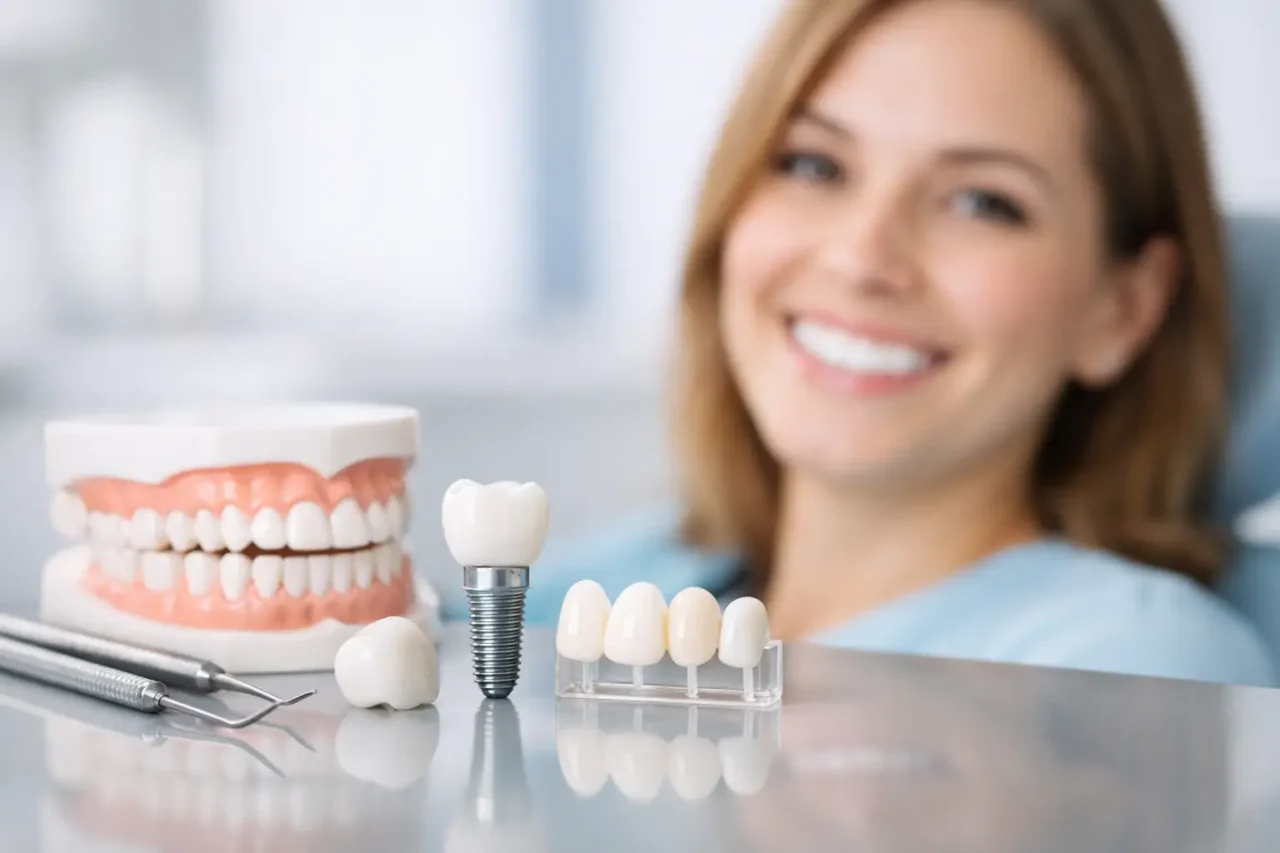
A cracked tooth that catches when you chew, a crown that no longer feels secure, or a gap that makes you hide your smile can change more than your appearance. The right restorative dentistry options can bring back comfort, confidence, and the ability to eat and speak naturally. The best choice is not always the fastest or most expensive treatment. It is the treatment that protects your remaining tooth structure, fits your health needs, and creates a natural-looking result you can rely on.
For patients traveling from the United States, Canada, or Europe, restorative treatment can also be an opportunity to complete a carefully planned smile transformation in Cartagena with clear communication and personalized attention. Understanding what each option can and cannot do is the first step toward making a confident decision.
What Restorative Dentistry Is Designed to Solve
Restorative dentistry focuses on repairing or replacing teeth affected by decay, injury, wear, failed dental work, or tooth loss. It is often associated with function, but good restoration is also highly aesthetic. A well-made crown should blend with your neighboring teeth. An implant-supported tooth should feel stable and look like it belongs in your smile.
Your treatment plan begins with the condition of your teeth, gums, jawbone, bite, and existing restorations. A small cavity may only need a tooth-colored filling, while a deeply fractured tooth may need root canal treatment followed by a crown. If a tooth cannot be saved predictably, replacing it can be healthier than repeatedly repairing it.
This is why an online consultation and detailed clinical evaluation matter. Photos and X-rays help the dentist assess what is possible before you travel, while an in-person examination confirms the safest plan once you arrive.
Restorative Dentistry Options for Damaged Teeth
Tooth-Colored Fillings
Composite fillings repair small to moderate areas of decay, chips, and worn edges. They are matched to the shade of your tooth, making them a discreet alternative to traditional metal fillings. In the right situation, a filling preserves more natural tooth structure than a crown.
However, fillings are not the answer for every damaged tooth. Large fillings can weaken a tooth when much of its structure has already been lost. Teeth that absorb heavy biting force, especially back teeth, may need more coverage and protection.
Inlays and Onlays
Inlays and onlays are custom restorations used when a filling is too small but a full crown would remove more tooth structure than necessary. An inlay fits inside the chewing surface of a tooth. An onlay extends over one or more cusps, the raised points that do much of the chewing work.
These restorations can be made from durable, natural-looking ceramic materials. They are an excellent conservative choice for patients with a large old filling, moderate fracture, or decay that has weakened part of a tooth without destroying it.
Dental Crowns
A dental crown covers and protects a tooth that has been significantly weakened. Crowns are commonly recommended after root canal treatment, for severe decay, substantial cracks, broken teeth, or older restorations that no longer provide reliable support.
Modern porcelain crowns can be designed to match the shape, color, and translucency of nearby teeth. For front teeth, esthetics are especially important. For molars, strength and bite balance take priority, though the final result should still look natural.
A crown does require preparation of the tooth, so it should be recommended for a clear clinical reason. When the tooth is stable enough for a more conservative restoration, an onlay or filling may be preferable. When a crown is needed, however, delaying treatment can allow a crack or decay to progress further.
Options for Replacing Missing Teeth
A missing tooth can affect chewing, speech, and self-confidence. Over time, neighboring teeth may shift into the space, and the opposing tooth may move out of position. The jawbone in the missing-tooth area can also gradually lose volume. Your ideal replacement depends on the number and location of missing teeth, your bone levels, gum health, budget, and timeline.
Dental Implants
A dental implant replaces the root of a missing tooth with a biocompatible post placed in the jawbone. After healing, it supports a custom crown, bridge, or full-arch prosthesis. Because implants are independent of neighboring teeth, they do not require the preparation of healthy adjacent teeth.
For many patients, an implant is the closest long-term alternative to a natural tooth. It can provide excellent stability, preserve bone stimulation, and support a highly natural appearance. The process may require more than one visit because the implant needs time to integrate with the bone before the final restoration is placed. Some cases qualify for immediate temporary teeth, while others benefit from a staged approach.
Sufficient bone and healthy gums are essential. Patients with bone loss may need grafting or another preparatory procedure before implant placement. Smoking, uncontrolled diabetes, active gum disease, and heavy teeth grinding can also affect treatment planning and long-term success.
Dental Bridges
A traditional dental bridge fills a gap by attaching a replacement tooth to crowns placed on the teeth beside it. It can be a strong, fixed solution for one or more missing teeth, especially when the neighboring teeth already need crowns.
A bridge is often completed more quickly than an implant and does not require surgery. The trade-off is that healthy neighboring teeth may need to be shaped to support it. Bridges also do not stimulate the bone beneath the missing tooth, so they may not be the best option in every case.
For patients who want a fixed result but are not candidates for implants, or who need an efficient solution for a damaged area, a well-designed bridge can be an excellent choice.
Removable Partial and Full Dentures
Removable dentures replace several teeth or a full arch of teeth. Modern prosthetics can be more comfortable and realistic than many patients expect, particularly when designed with careful attention to bite, facial support, and natural tooth appearance.
Dentures are generally the most accessible replacement option and can be a practical solution when extensive tooth loss, medical concerns, or budget limitations make fixed treatment less suitable. Their main limitation is stability. A removable denture may shift during meals or speech, and it does not prevent bone loss in the same way an implant does.
Implant-supported dentures provide a middle ground. A few strategically placed implants can help anchor a denture more securely, improving confidence and reducing movement without requiring a separate implant for every missing tooth.
When Full-Mouth Rehabilitation Makes Sense
Some patients are not dealing with one damaged tooth. They may have multiple failing crowns, worn teeth from grinding, missing teeth, bite changes, or a combination of functional and cosmetic concerns. In these cases, treating one tooth at a time can lead to mismatched shades, uneven bite pressure, and repeated emergency repairs.
Full-mouth rehabilitation takes a more comprehensive approach. The dentist evaluates how your teeth meet, how much healthy structure remains, the appearance of your smile, and which teeth can be preserved. Treatment may combine crowns, bridges, implants, veneers, gum care, and temporary restorations in a carefully sequenced plan.
This approach is particularly valuable for international patients because the treatment schedule can be organized around travel. Some procedures can be completed during one stay, while implant cases may require a planned return visit after healing. A transparent timeline helps you arrange flights, accommodations, and time away from work without unpleasant surprises.
How to Choose the Right Treatment Plan
The question is rarely, “Which restoration is best?” A more useful question is, “Which solution is best for this tooth, this bite, and my long-term goals?” A cosmetic concern may reveal a structural issue underneath. Likewise, a functional restoration can often be designed to improve the harmony of your smile.
Before committing to treatment, ask how long the restoration is expected to last, what maintenance it requires, whether there are alternatives, and what happens if you postpone care. You should also understand whether temporary restorations are part of the plan and how follow-up will be handled after you return home.
At Smile Makeover Cartagena, treatment planning is built around clear English communication, realistic expectations, and results that look as good as they feel. The goal is never to push every patient toward the same procedure. It is to recommend the most appropriate path for restoring your smile safely and beautifully.
A healthy smile should not force you to choose between eating comfortably and feeling confident in photos. With the right diagnosis, skilled care, and a plan designed around your needs, restoring your teeth can be the beginning of feeling fully at ease in your smile again.

