


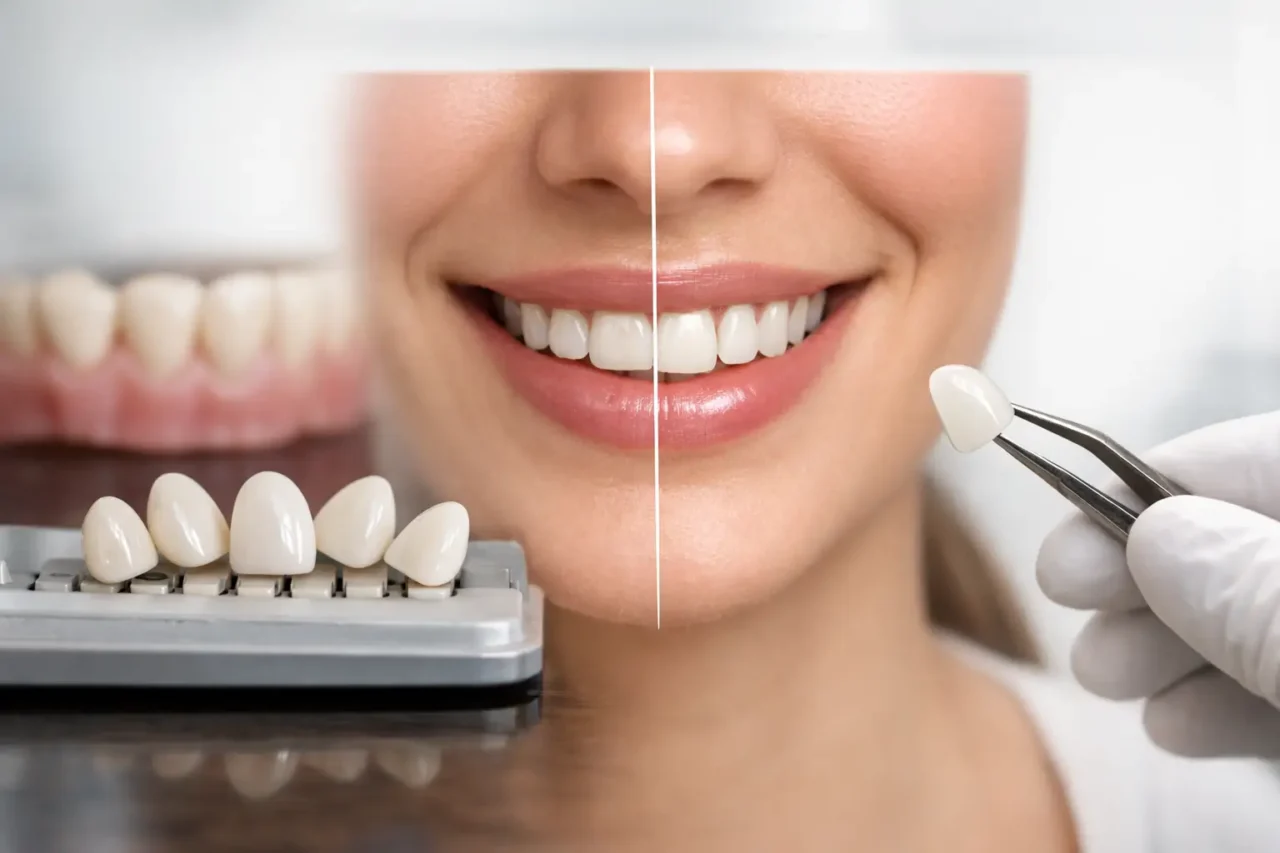
A single chipped front tooth can make you ask a surprisingly big question: how many veneers needed to make your smile look naturally balanced? The answer is rarely a standard package. Some patients need one carefully matched veneer; others choose 8, 10, or more for a consistent, camera-ready smile. The right number depends on what shows when you smile, the condition of your natural teeth, and the result you want to see every day.
For international patients considering a smile makeover in Cartagena, the goal should not be to place the most veneers possible. It should be to create a healthy, proportional, natural-looking result that suits your face and preserves as much healthy tooth structure as possible.
How Many Veneers Are Needed for Your Smile?
Most veneer treatment plans fall into a few common ranges. One veneer may be appropriate for a single tooth that is chipped, misshapen, discolored, or slightly smaller than its neighbor. However, matching one veneer to surrounding natural teeth requires exceptional shade selection and artistry. Natural enamel has subtle color variation and translucency, so one-tooth cases can be more technically demanding than patients expect.
Two veneers are often recommended when the two upper central incisors need correction. These are the front teeth that draw the most attention when you speak or smile. Treating them as a pair helps create symmetry in length, shape, and color.
Four to six veneers can transform the most visible front teeth. This range may be ideal when concerns are limited to the center of the smile, such as uneven edges, small gaps, mild crowding, worn enamel, or inconsistent tooth shape.
Many full smile makeover patients choose 8 to 10 upper veneers because this typically covers the teeth visible in a broad smile. If lower teeth are also highly visible, worn, uneven, or darker than the upper teeth, an additional 6 to 10 lower veneers may be considered. The final count is based on your individual smile line, not an arbitrary number.
Your Smile Width Matters More Than a Standard Number
The number of teeth visible when you smile is one of the strongest factors in veneer planning. A person with a narrower smile may show six upper teeth. Someone with a wider smile may reveal eight, 10, or even more, including the premolars toward the sides.
If veneers stop before the visible edges of your smile, the untreated teeth may appear darker, shorter, or less uniform. That does not mean every visible tooth must receive a veneer. It means your dentist must evaluate the full smile in motion, not just a close-up photo of your front teeth.
This is why digital smile planning and high-quality photos matter. Your dentist can assess tooth proportions, gum display, facial symmetry, lip movement, and the amount of tooth visible at rest. A beautiful veneer shape on the wrong number of teeth can still look disconnected. A well-planned treatment creates continuity from the center of the smile outward.
The role of color matching
Tooth color often changes the recommended number of veneers. If you want a noticeably whiter smile but only place veneers on the front two teeth, the contrast with neighboring teeth may be obvious. Whitening can improve the natural teeth before veneers are made, but whitening results vary and do not change the color of existing crowns, fillings, or veneers.
For patients seeking a bright, uniform shade, placing veneers across the visible smile zone usually produces the most consistent result. For patients who prefer a conservative enhancement, fewer veneers combined with whitening may be the better choice. Neither approach is automatically right. The key is making sure the shade transition looks intentional and natural.
When One or Two Veneers Can Be Enough
Minimal treatment is often the best treatment when the rest of the smile is healthy and attractive. One or two veneers can be a great option for a localized concern, particularly when the surrounding teeth have a stable color and good shape.
A single veneer may help correct a tooth with a fracture, a stubborn internal stain, an unusually small size, or a visible old restoration. Two veneers may be appropriate to close a small gap between the front teeth or make the central incisors more symmetrical.
There are trade-offs. A single veneer needs to blend with natural enamel under different lighting conditions, from daylight to restaurant lighting to photographs. If your adjacent teeth are heavily stained, have multiple old fillings, or are worn unevenly, treating only one tooth may not deliver the seamless result you want.
When a Larger Veneer Case Makes Sense
A larger case is often recommended when cosmetic concerns affect several teeth rather than one isolated area. Patients with generalized enamel wear, multiple chips, uneven tooth lengths, old bonding, gaps, or naturally small teeth frequently benefit from 6 to 10 veneers on the upper arch.
This approach can create a more balanced smile because the dentist can coordinate the width, length, contours, and brightness of each visible tooth. It can also be helpful when age-related wear has made the front teeth appear flat or short. Restoring proper proportions can make the smile look healthier while supporting a more youthful appearance.
Still, more veneers are not always better. If the back teeth do not show when you smile, if they are healthy, and if their color blends well, there may be no cosmetic reason to treat them. Your treatment should be designed around what you see, what you need functionally, and what will remain stable over time.
Veneers Are Not Always the First Step
Veneers are an excellent solution for many cosmetic concerns, but they are not the right first treatment for every patient. Active gum disease, untreated decay, unstable bite patterns, and significant teeth grinding should be addressed before cosmetic work begins. Veneers placed on unhealthy foundations are less likely to last.
Some concerns may be better treated with orthodontics, whitening, dental bonding, or crowns. For example, severe crowding may need orthodontic correction before veneers are considered. A tooth with extensive damage or a large existing filling may need a crown for strength rather than a thin cosmetic veneer. If discoloration is mild, professional whitening may provide the improvement you want without altering tooth structure.
A thoughtful consultation should explain these options clearly. Veneers involve permanent enamel modification in most cases, so the decision deserves careful planning rather than a quick cosmetic shortcut.
How Your Bite Influences the Number of Veneers
Your bite affects more than comfort. It influences veneer longevity. If you clench or grind your teeth, bite down heavily on your front teeth, or have an uneven bite, your dentist needs to account for these forces before deciding on the design and number of veneers.
In some cases, adjusting the bite, restoring worn back teeth, or using a protective night guard is part of protecting a new smile. Patients who receive veneers on multiple front teeth may need a more comprehensive functional evaluation than someone correcting one small chip.
This is especially relevant for patients who have noticed thinning edges, repeated fractures, jaw tension, or headaches. The cosmetic plan must work with your bite, not fight against it.
Planning Veneers From Abroad
For patients traveling from the United States, Canada, or Europe, accurate pre-planning makes the treatment journey easier. An online consultation can begin with clear smile photos, a description of your goals, and any available dental X-rays or records. This allows the clinic to provide an initial opinion on whether you may need one veneer, a small set, or a broader smile makeover.
The final number should always be confirmed after an in-person examination. Your dentist will evaluate gum health, tooth structure, bite, existing restorations, and the way your smile looks in person. A customized plan should also outline whether you need whitening, gum contouring, temporary restorations, or other treatment before veneers are placed.
At Smile Makeover Cartagena, patients can discuss aesthetic goals in fluent English and receive a personalized plan designed around both clinical needs and travel timing. A clear plan helps you arrive knowing what to expect while leaving room for the detailed examination that responsible cosmetic dentistry requires.
Questions to Ask Before Choosing a Veneer Count
Before you agree to treatment, ask to see how many teeth show in your natural and broad smile. Ask whether your proposed shade will blend with untreated teeth, whether any teeth need restorative treatment first, and how your bite will be protected after treatment.
You should also ask whether a conservative option could meet your goals. Sometimes four veneers and whitening create the right result. In other cases, 10 veneers are needed to avoid a visible mismatch. The best plan is the one that makes sense for your teeth, not the one that happens to be most common online.
A confident smile should still look like it belongs to you. Start with a personalized evaluation, be clear about the changes you want, and let the number of veneers follow the design of your natural smile.

