


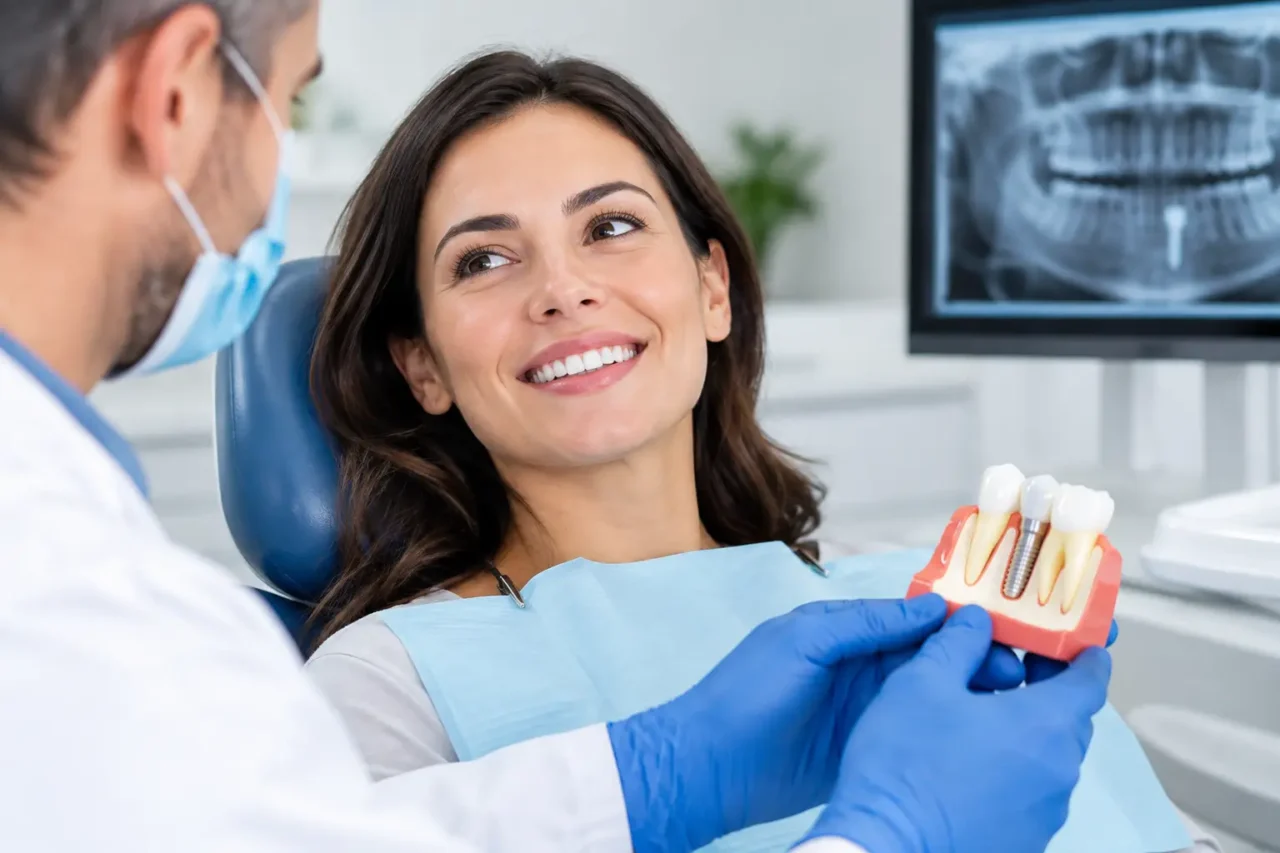
A missing tooth can affect far more than your smile. It can change how you eat, speak, and feel in photos – and the fear of pain can make it easy to postpone a solution. So, do dental implants hurt? For most patients, the implant placement itself is far more comfortable than they expect because the area is fully numbed. The more noticeable part is usually the recovery afterward, when tenderness and swelling are normal but manageable.
Dental implants are one of the most reliable ways to replace missing teeth, but comfort should be part of the decision, not an afterthought. Knowing what happens at each stage helps you plan confidently, especially if you are traveling for treatment.
Do Dental Implants Hurt During the Procedure?
During implant surgery, you should not feel sharp pain. Your dentist uses local anesthesia to numb the gum tissue and jawbone around the treatment area. You may feel pressure, gentle pulling, or vibration, but these sensations are different from pain.
If you are anxious about dental care, sedation options may also be available depending on your health history and treatment plan. Sedation can help you feel deeply relaxed while still allowing the dental team to monitor you safely. The best option depends on the complexity of your procedure, the number of implants needed, your medical history, and your comfort level.
A single implant placement is often a shorter appointment than patients imagine. The dentist makes a precise opening in the gum, prepares the bone, and places the titanium implant. If bone grafting, extraction, or several implants are needed, the appointment may take longer and the recovery can be more involved.
The key is proper planning. Detailed imaging and a personalized surgical plan allow the dentist to place the implant accurately while protecting surrounding structures. This is not only important for a natural-looking result – it also supports a smoother healing experience.
What Does Dental Implant Recovery Feel Like?
Once the anesthesia wears off, it is common to feel soreness around the surgical area. Many patients compare it to the discomfort after a tooth extraction or a challenging dental cleaning rather than severe pain. The first 48 to 72 hours are usually the most noticeable.
You may experience mild swelling, minor bruising, gum tenderness, or slight jaw stiffness. These symptoms should gradually improve, not become worse. Your dentist may recommend prescribed medication or over-the-counter pain relief based on your needs, along with a cold compress during the first day.
Most patients can return to light daily activities within a day or two. If your work is physically demanding, if you have multiple implants placed, or if you receive bone grafting, you may need more recovery time. A full-arch restoration can also require a different schedule than replacing one missing tooth.
For the first few days, choose soft foods such as yogurt, eggs, soups that are not too hot, mashed vegetables, smoothies, and fish. Avoid chewing directly on the implant area, smoking, alcohol, strenuous exercise, and crunchy foods until your dentist says it is safe. These simple choices can make a meaningful difference in comfort and healing.
When Pain Is Not Normal
Some discomfort is expected. Increasing or severe pain is not something to ignore. Contact your dental team promptly if you have pain that worsens after several days, persistent bleeding, a fever, a bad taste or discharge near the implant, numbness that does not resolve as expected, or swelling that becomes significant.
Complications are uncommon when implants are planned and cared for properly, but fast communication matters. International patients should choose a practice that provides clear aftercare instructions and remains available to answer questions after treatment.
What Affects How Much an Implant Hurts?
There is no single recovery experience. Your comfort can depend on the condition of your mouth before surgery and the type of treatment required.
A straightforward implant in healthy bone generally involves a simpler recovery than an implant placed after an infected tooth extraction. Bone grafting can add healing time. Replacing several teeth or rebuilding a full arch may create more post-procedure soreness simply because more areas are treated.
Your general health also plays a role. Conditions that affect healing, such as uncontrolled diabetes, as well as smoking or poor oral hygiene, can increase the risk of delayed recovery. Some medications and medical conditions may affect whether implants are appropriate or how the procedure should be planned. A thorough consultation is essential, and an experienced dentist will review these details before recommending treatment.
Anxiety can also make pain feel more intense. Patients who are nervous often tense their jaw and focus on every sensation. Clear communication, effective numbing, breaks during treatment, and a calm environment can make the experience much easier.
How to Make Dental Implant Treatment More Comfortable
Comfort starts before the procedure. Share your medical history honestly, including medications, allergies, previous reactions to anesthesia, and any dental anxiety. Ask how many implants you need, whether grafting is likely, what type of anesthesia will be used, and what recovery timeline fits your specific case.
Follow your pre-treatment instructions carefully. If you are receiving sedation, you may need to avoid food or drink for a designated period and arrange for someone to accompany you afterward. Wear comfortable clothing and give yourself permission to take the day slowly.
After treatment, take medication exactly as directed rather than waiting until discomfort becomes distracting. Use cold compresses intermittently during the first 24 hours, rest with your head slightly elevated, and keep the surgical area clean according to your dentist’s instructions. Do not rinse aggressively or brush directly over the site too soon.
It is also wise to prepare your meals, medications, and recovery space before your appointment. That small amount of planning lets you focus on resting instead of running errands while you are sore.
Planning Implant Treatment in Cartagena
For dental travelers, timing matters just as much as comfort. Implant treatment may be completed in stages. After an implant is placed, it typically needs time to integrate with the jawbone before the final crown is attached. In some cases, a temporary tooth can be placed sooner, but not every patient is a candidate for immediate loading.
This means your travel plan should match your clinical plan. A single visit may be appropriate for consultation, imaging, extraction, implant placement, or a final restoration, depending on your needs. More complex cases can require two visits separated by a healing period. A responsible clinic will explain this upfront rather than promising a rushed timeline.
At Smile Makeover Cartagena, international patients can begin with an online consultation and receive a customized plan before traveling. Fluent English communication helps ensure that you understand your treatment sequence, expected recovery, and how to contact the team if questions arise after you return home.
Avoid scheduling a packed itinerary immediately after surgery. Cartagena can be a beautiful place to recover, but the first day should be quiet. Plan relaxed meals, stay hydrated, protect yourself from excessive sun and heat, and follow your post-operative instructions. Light sightseeing may be possible after a short period, but your healing should set the pace.
Is the Result Worth the Temporary Discomfort?
For many patients, the answer is yes. An implant can restore a missing tooth without relying on neighboring teeth for support, improve chewing function, and provide a stable foundation for a natural-looking crown, bridge, or full-arch restoration. It can also help preserve jawbone over time after tooth loss.
Still, implants are not a one-size-fits-all solution. A bridge, removable prosthetic, or another restorative option may be more appropriate depending on your bone level, budget, timeline, and health. The right choice is the one that balances appearance, function, longevity, and your personal priorities.
A good implant experience is not about pretending there is no recovery. It is about having a skilled team, a realistic plan, and the support to move through that recovery comfortably. Ask direct questions, allow enough time for healing, and choose care that makes you feel informed from your first consultation through your final smile.

