


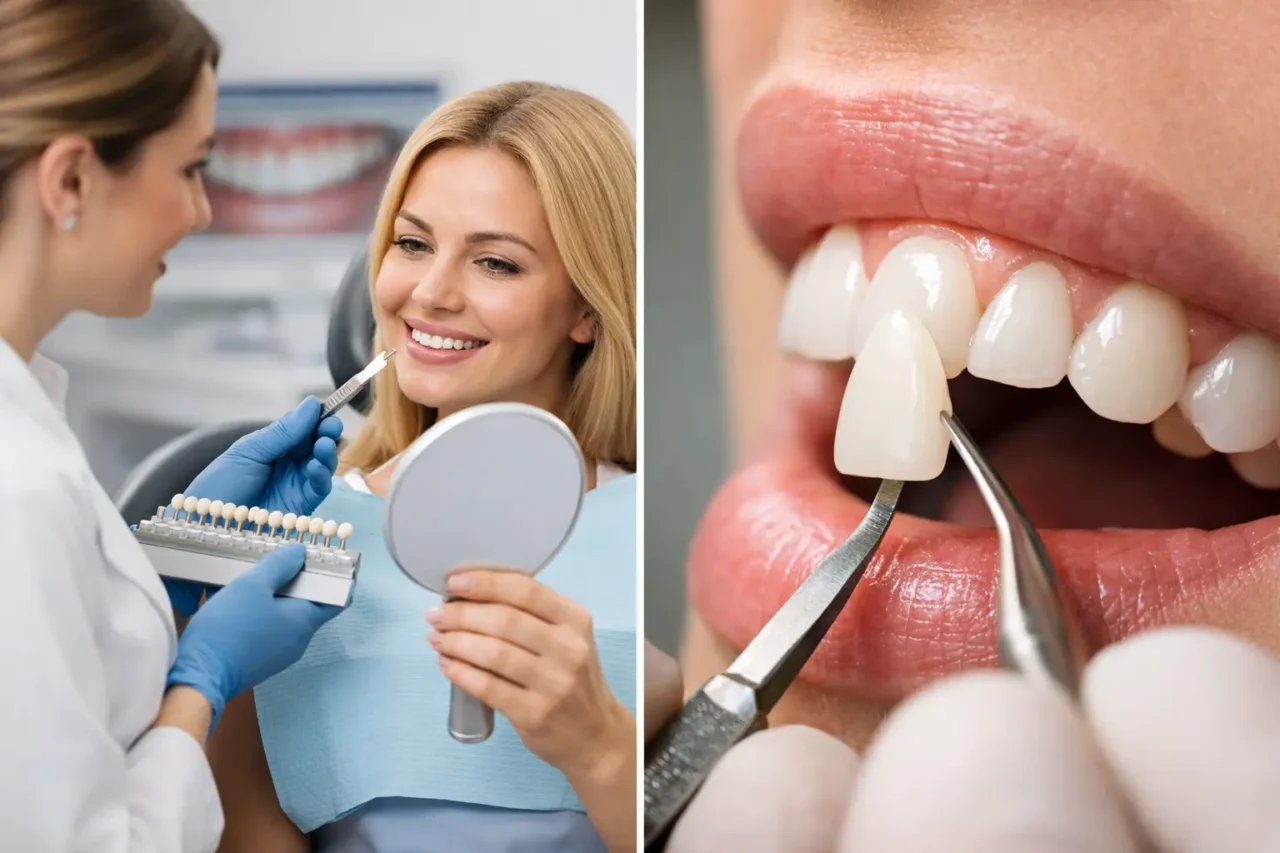
A brighter, more balanced smile can be life-changing, but the terms used to describe cosmetic dentistry can be confusing. When comparing smile design vs veneers, the key distinction is simple: smile design is the personalized treatment plan, while veneers are one possible treatment used within that plan.
For some patients, porcelain veneers are the ideal route to a more even, luminous smile. For others, the best result may include whitening, bonding, crowns, gum contouring, implants, or a combination of treatments. The right choice depends on your teeth, bite, goals, timeline, and the kind of result you want to see every time you smile.
What Is Smile Design?
Smile design is a comprehensive approach to improving the appearance and, when needed, the function of your smile. Rather than recommending one procedure before understanding the full picture, the dentist evaluates how your teeth work with your facial features, lips, gums, bite, and natural tooth color.
A smile design consultation typically considers tooth shape, length, spacing, alignment, symmetry, gumline balance, worn edges, and visible restorations. It also looks beyond aesthetics. If you grind your teeth, have old crowns, missing teeth, gum concerns, or a bite that puts pressure on certain teeth, those factors affect which cosmetic options will last.
The result is a tailored treatment plan. It may be as conservative as whitening and composite bonding, or it may involve porcelain veneers across the visible smile zone. In more complex cases, smile design can coordinate restorative work such as crowns, bridges, or implants before final cosmetic improvements are completed.
Think of it as the blueprint for your new smile. It answers the questions that matter before treatment begins: What should be changed? What should be preserved? Which materials are appropriate? And what will look natural on you, rather than simply looking like someone else’s smile?
What Are Porcelain Veneers?
Porcelain veneers are thin, custom-crafted shells bonded to the front surfaces of teeth. They are commonly used to improve the color, shape, size, and overall uniformity of teeth that show when you smile.
Veneers can be an excellent solution for teeth with deep discoloration that does not respond well to whitening, small gaps, uneven edges, mild crowding, chips, or naturally small teeth. High-quality porcelain reflects light in a way that closely resembles natural enamel, which is why carefully planned veneers can look refined rather than artificial.
Traditional veneers usually require a small amount of enamel preparation to create space for the porcelain. This is an important consideration because enamel removal is irreversible. Some patients may qualify for minimal-prep or no-prep options, but these are not automatically better. If porcelain is placed without enough room, teeth can appear bulky or the bite may be affected. A conservative approach means using the right amount of preparation for the individual case.
Veneers are durable, but they are not indestructible. They require consistent brushing, flossing, routine dental care, and protection from habits such as biting ice, opening packages with your teeth, or untreated nighttime grinding. A night guard may be recommended for patients who clench or grind.
Smile Design vs Veneers: The Real Difference
The comparison is not exactly one treatment against another. Smile design is the decision-making process. Veneers are one of the tools available during that process.
A patient may come in asking for veneers because they want a whiter, straighter-looking smile. After an evaluation, veneers may indeed be the best choice. But a responsible plan should first confirm that the teeth and gums are healthy, the bite is stable, and veneers will create the proportions the patient wants.
In another case, a patient with otherwise healthy, well-shaped teeth may get an excellent result with professional whitening and a small amount of bonding. Someone with a heavily damaged tooth may need a crown rather than a veneer because a crown provides more complete coverage and structural support. A patient with missing teeth may need implants or a bridge as part of the overall smile design.
This is why a personalized plan matters. Placing veneers on every visible tooth is not the definition of a successful smile makeover. The best plan preserves healthy tooth structure whenever possible and uses treatment only where it provides a clear benefit.
When Veneers May Be the Right Choice
Porcelain veneers can be a strong option if you have several cosmetic concerns affecting the front teeth and want a long-lasting, coordinated improvement. They are especially useful when discoloration, chips, uneven shape, minor spacing, and worn edges appear together.
They may also suit patients who want a meaningful change in tooth color and proportions that whitening alone cannot achieve. For example, whitening can brighten natural enamel, but it cannot reshape short teeth, close a gap, or correct the appearance of old fillings on front teeth.
Still, veneers are not always the first answer. Active gum disease, untreated decay, significant bite problems, or severe tooth grinding should be addressed before cosmetic porcelain is placed. Teeth that are very crowded may benefit more from orthodontic treatment before veneers are considered. An ethical cosmetic plan begins with a stable foundation.
When a Broader Smile Design Is Better
A broader smile design approach is often best when your concerns extend beyond the front surfaces of otherwise healthy teeth. You may have old crowns that no longer match, uneven gums, missing teeth, worn teeth, or a bite that has changed over time.
For these patients, the goal is not simply a brighter smile. It is a smile that looks balanced, feels comfortable, and functions properly while speaking, chewing, and resting naturally.
A comprehensive plan may combine treatments in stages. Periodontal care or gum contouring may come first. Implants, bridges, or crowns may restore strength and function. Whitening can establish a target shade for the natural teeth. Veneers or bonding can then refine the teeth that frame the smile.
This sequence may require more planning than a veneers-only treatment, but it can prevent disappointing compromises. A beautiful result should not force a weak tooth, unstable bite, or missing tooth problem into the background.
Planning Your Treatment as an International Patient
For patients traveling from the United States, Canada, or Europe, clear planning is essential. A successful dental trip starts well before your flight, with an online consultation, recent photos, and any available dental X-rays or treatment history. This allows the clinical team to understand your goals and provide a more realistic preliminary recommendation.
Once you arrive, an in-person examination confirms the final plan. Your dentist can assess your bite, gum health, tooth structure, and the details that photographs cannot always reveal. This step protects your health and helps ensure that the final result meets both aesthetic and functional standards.
The required time in Cartagena depends on the treatment. Whitening or bonding may be completed quickly, while porcelain veneers and more extensive smile makeovers require multiple appointments for preparation, impressions or digital records, try-in, placement, and final adjustments. Implant treatment has its own timeline because healing may be necessary before the final restoration is placed.
International patients should also plan for follow-up. Your treatment team should explain home-care instructions, provide records of the work completed, and make sure you know what to do if you need support after returning home. Fluent English communication helps make each decision clearer, from the first quote through post-treatment guidance.
How to Choose With Confidence
Do not choose based on a single before-and-after photo or the lowest advertised price. Ask what is included in the proposed plan, why a veneer, crown, or other treatment is being recommended, how much natural tooth structure will be preserved, and what maintenance the final result will require.
You should also discuss the number of teeth involved. Some patients need treatment on only a few teeth, while others benefit from treating the full visible smile zone to achieve consistent color and symmetry. There is no universal number that works for everyone.
At Smile Makeover Cartagena, the goal is to create natural-looking outcomes through personalized planning, not a one-size-fits-all cosmetic package. The right treatment should feel like an informed decision, with your health, appearance, travel schedule, and long-term comfort all considered together.
A smile you love begins with an honest evaluation. Whether veneers are the answer or one part of a broader design, take the time to choose a plan that protects your teeth and reflects the way you want to feel when you smile.

