


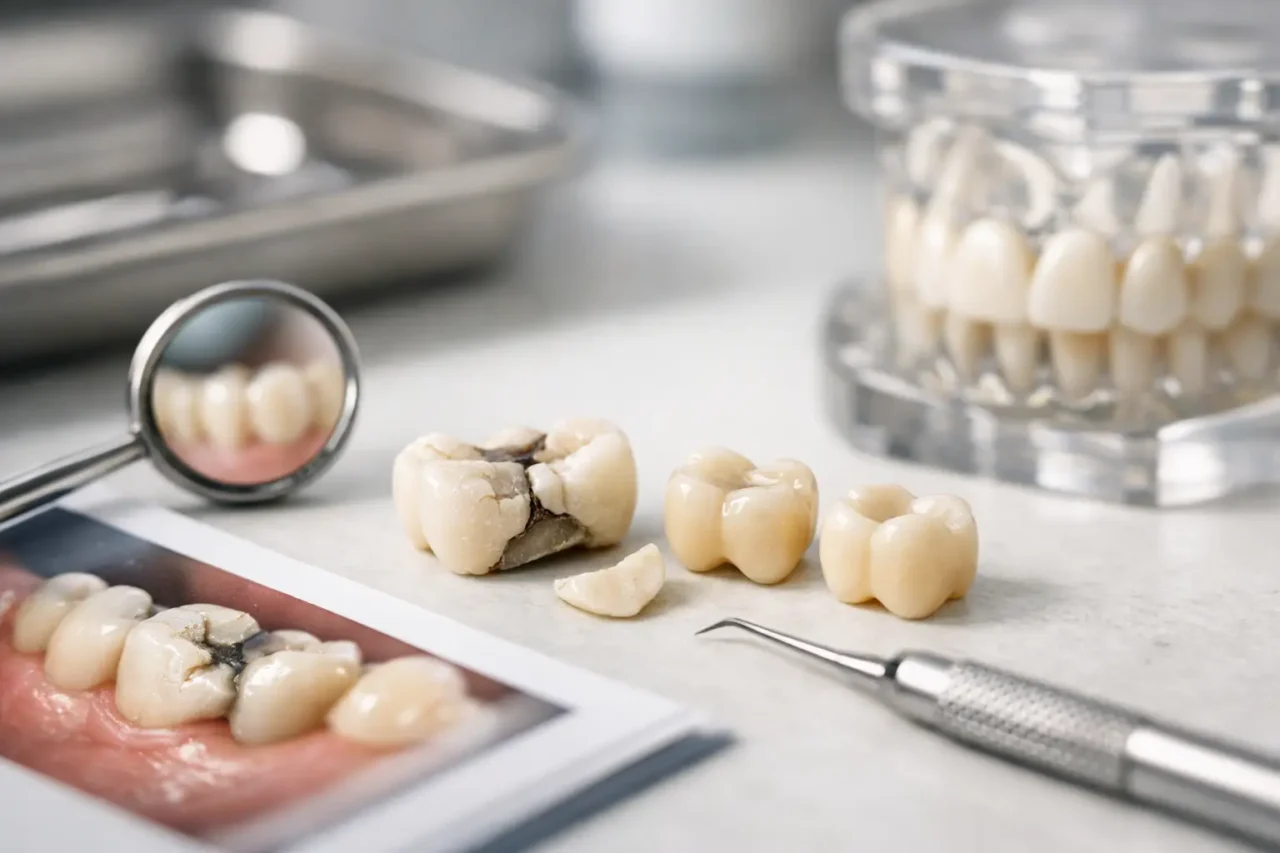
A crown can look perfectly acceptable in the mirror while the tooth beneath it is developing decay, inflammation, or a small fracture. That is why asking when do crowns need replacement is about more than appearance. A timely evaluation can preserve the natural tooth, prevent a more complicated procedure, and keep your smile feeling comfortable and natural.
For many patients, a crown lasts years with good care. Yet no restoration is permanent. The material, the health of the supporting tooth and gums, bite forces, and daily habits all affect how long it performs. The right time to replace a crown is based on its condition, not simply the date it was placed.
When Do Crowns Need Replacement? The Main Signs
A dental crown may need attention because of what you see, what you feel, or what your dentist finds during an exam and X-ray. Do not assume that a crown must be replaced because it is 10 or 15 years old. Likewise, do not wait for severe pain if something feels different. Early care is usually simpler and more conservative.
1. Pain, pressure, or sensitivity around the crowned tooth
A healthy crown should allow you to bite, chew, and drink normally. New sensitivity to cold, heat, or sweets can indicate that the edge of the crown is no longer sealed. Pain when biting may point to a crack, a bite imbalance, gum irritation, or a problem inside the tooth.
Sensitivity does not always mean the crown has failed. A neighboring tooth, gum recession, or clenching can cause similar symptoms. An examination is the only dependable way to identify the source and decide whether the crown, the underlying tooth, or another area needs treatment.
2. A chipped, cracked, loose, or worn crown
Porcelain crowns are highly durable, but they can chip, fracture, or wear over time. Small surface chips may sometimes be polished or repaired. A crack that reaches the structure of the crown, however, often calls for replacement because bacteria and moisture can enter through the damaged area.
A crown that feels loose, rocks slightly, or traps food around its edge should be checked promptly. It may be possible to recement a crown if both the crown and underlying tooth are intact. If there is decay, a broken tooth core, or damage to the crown itself, a new restoration is usually the better long-term choice.
3. A dark line, visible gap, or changing gumline
A thin shadow near the gumline can sometimes be an aesthetic concern rather than a functional problem, especially with older porcelain-fused-to-metal crowns. But a dark area can also signal recurrent decay underneath the crown or exposure of the tooth structure as gums recede.
Pay attention if floss catches at the edge, food regularly becomes trapped, or you can see a gap where the crown meets the tooth. These signs can mean the margin is no longer fitting closely. Replacing the crown before decay advances may help avoid root canal treatment or tooth loss.
4. Bleeding, swelling, or persistent bad taste near one tooth
Bleeding gums are often related to inflammation, but a poorly fitting crown can make cleaning difficult and allow plaque to collect at the margin. Tenderness, swelling, a pimple-like bump on the gum, or a persistent unpleasant taste can indicate infection and should never be ignored.
A dentist will assess the gums, bite, crown margins, and bone support to determine the cause. Sometimes professional cleaning and improved home care solve the issue. In other cases, the crown needs replacement as part of treating the tooth and restoring healthy gum contours.
5. Decay under an otherwise attractive crown
Recurrent decay is one of the most common reasons crowns are replaced. The crown itself cannot decay, but the natural tooth at its edges can. This is especially likely when cement breaks down, the crown fit changes, or plaque remains around the gumline.
Decay beneath a crown is not always visible. Routine X-rays can reveal changes at the crown margin before symptoms become obvious. If enough healthy tooth remains, your dentist can remove the old crown, treat the decay, rebuild the tooth when necessary, and create a new crown. If the decay is extensive, treatment may involve a root canal, gum treatment, or an implant evaluation.
6. Your bite no longer feels balanced
Your teeth should come together comfortably. If a crown feels high, you may notice jaw fatigue, headaches, tooth soreness, or a tendency to avoid chewing on that side. A recently placed crown may only need a minor adjustment, while an older crown can change because of wear, tooth movement, or grinding.
Ignoring bite changes can place excess pressure on the crowned tooth and neighboring teeth. For patients who clench or grind, a custom night guard can protect a new crown and help extend its service life.
7. You want a more natural-looking smile
Replacement can also be an aesthetic choice. Older crowns may appear too opaque, too gray at the gumline, too bulky, or mismatched to surrounding teeth. If you are improving your smile with whitening, veneers, or a broader smile design, replacing a visible crown may create a more harmonious result.
This is where material selection matters. Modern all-ceramic crowns can offer excellent translucency for front teeth, while stronger materials such as zirconia may be recommended for back teeth or patients with heavy bite forces. The best option depends on the tooth position, your bite, your goals, and the condition of the tooth beneath the crown.
How Long Should a Dental Crown Last?
Many well-made crowns last roughly 10 to 15 years, and some last substantially longer. That range is useful, but it is not a replacement schedule. A crown placed five years ago may need care if it has cracked or developed leakage. Another crown that is 18 years old may remain stable, comfortable, and healthy under regular monitoring.
Daily habits have a major impact. Chewing ice, biting pens, opening packages with teeth, and untreated grinding all increase the risk of damage. Consistent brushing, cleaning between teeth, professional hygiene visits, and regular examinations protect the vulnerable area where crown and natural tooth meet.
The original treatment also matters. A crown needs precise fit, sound tooth preparation, healthy gums, and an accurately adjusted bite. A lower initial price is not always lower cost if a restoration must be redone prematurely. For patients considering treatment abroad, quality planning, clear communication, and follow-up guidance should be part of the decision, not an afterthought.
What Happens When a Crown Is Replaced?
The process begins with a focused exam, often including X-rays and photographs. Your dentist evaluates the crown margins, surrounding gums, root condition, bite, and remaining tooth structure. This step determines whether replacement is needed and whether any additional treatment should happen first.
If replacement is appropriate, the old crown is carefully removed. The tooth is cleaned and treated for decay or damage as needed, then rebuilt if it requires additional support. After a digital or traditional impression, a new crown is designed to fit your bite and blend with your smile. A temporary crown may be used while the final restoration is being made.
For international patients, timing should be planned around the complexity of the case. A straightforward crown can often be completed efficiently, but a tooth requiring root canal treatment, gum healing, or coordination with implants may need a longer stay or staged visits. A remote consultation with recent X-rays and clear photos can help establish realistic expectations before travel.
Can You Replace Only One Crown?
Yes. If a single crown has failed or no longer matches your smile, it can usually be replaced on its own. The dentist will select the shade, shape, and material to complement the nearby teeth. This is especially valuable for a front tooth, where even small differences in color and translucency can be noticeable.
There are times when replacing more than one crown makes sense, such as when several older crowns share the same dark margins, no longer match recently whitened teeth, or are part of a planned smile makeover. The decision should be personalized. Replacing sound crowns solely for a trend is rarely necessary, but updating visible restorations can be worthwhile when it supports a clear aesthetic or functional goal.
Do Not Wait for a Crown Emergency
A crown that falls out, fractures, or becomes painful often requires urgent care, particularly if the underlying tooth is exposed. Keep the crown if it comes off, avoid chewing on that side, and arrange an appointment as soon as possible. Do not use household glue to put it back in place.
The better approach is to have crowns checked before they become emergencies. At Smile Makeover Cartagena, your treatment plan can be tailored around both the health of the tooth and the look you want to achieve, with fluent English communication from consultation through follow-up. If a crown feels different, looks worn, or has simply not been evaluated in years, a careful assessment can give you clear answers and a confident next step.
